
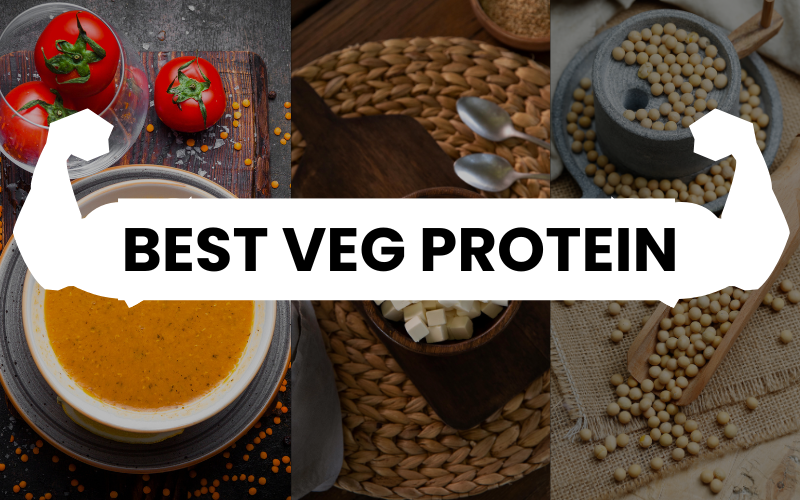
What are the Best Veg Protein
Discover the best veg protein sources in India, including dals, dairy, nuts, and soy, to meet your daily protein needs easily.
Understanding Veg Protein
Protein is essential for muscle growth, repair, and overall body function. While many believe that protein mainly comes from meat, Indian cuisine offers a variety of veg protein sources that can fulfill daily nutritional needs.
If you're a vegetarian in India, getting enough protein might seem challenging, but with the right food choices, you can meet your protein goals efficiently. This guide explores the best vegetarian protein sources, their benefits, meal planning, and common myths about plant-based protein intake.
1. Why is Protein Important?
Protein is made up of amino acids, the building blocks of the body. It plays a crucial role in:
- Muscle Growth & Repair – Helps build lean muscle and recover from exercise.
- Metabolism & Energy – Essential for enzymes and hormones that regulate body functions.
- Skin, Hair & Nails – Supports collagen production for healthy skin and hair.
- Immunity Boost – Strengthens the immune system to fight infections.
For vegetarian eaters, getting a variety of veg protein sources is key to ensuring all essential amino acids are consumed.
2. How Much Protein Do Indians Need?
According to the Indian Council of Medical Research (ICMR), the Recommended Dietary Allowance (RDA) for protein intake is:
- Men: 0.8–1.2 grams per kg of body weight
- Women: 0.8–1 gram per kg of body weight
- Athletes/Gym-goers: 1.5–2 grams per kg of body weight
For example, if you weigh 70 kg, you need 56–84 grams of vegetarian protein per day, depending on your activity level.
3. Best Veg Protein Sources in India
A. Legumes & Pulses (Dal & Beans) – Protein Powerhouses
- Lentils (Masoor, Toor, Moong, Urad, Chana dal) – 18g per 100g
- Chickpeas (Kabuli & Kala Chana) – 19g per 100g
- Kidney Beans (Rajma) – 24g per 100g
- Black-eyed Peas (Lobia) – 25g per 100g
Best Ways to Eat:
- Dal with roti/rice
- Sprouted chana salad
- Rajma curry with brown rice
B. Dairy Products – Protein & Calcium Combo
- Paneer (Cottage Cheese) – 18g per 100g
- Greek Yogurt (Hung Curd) – 10g per 100g
- Cheese (Mozzarella, Cheddar) – 22g per 100g
- Milk & Buttermilk – 3-4g per glass
Best Ways to Eat:
- Paneer bhurji or tikka
- Greek yogurt smoothie
- Cheese & vegetable sandwich
C. Nuts & Seeds – Compact Protein Boosters
- Almonds – 21g per 100g
- Walnuts – 15g per 100g
- Peanuts – 25g per 100g
- Flaxseeds, Chia Seeds, Sunflower Seeds – 15-20g per 100g
Best Ways to Eat:
- Peanut butter on whole wheat bread
- Almonds soaked overnight
- Flaxseeds in smoothies
D. Whole Grains – Protein + Fiber Combo
- Quinoa – 14g per 100g
- Brown Rice – 8g per 100g
- Oats – 12g per 100g
- Whole Wheat (Atta), Millets (Bajra, Ragi, Jowar) – 8-12g per 100g
Best Ways to Eat:
- Oatmeal with nuts
- Quinoa salad
- Ragi dosa
E. Soy Products – Complete Veg Protein Source
- Soybeans – 36g per 100g
- Tofu (Soy Paneer) – 10g per 100g
- Tempeh – 19g per 100g
- Soy Milk – 7g per glass
Best Ways to Eat:
- Tofu stir-fry
- Soy chaap roll
- Soy milk smoothie
4. Sample High-Protein Indian Veg Meal Plan
Breakfast:
- Moong dal chilla with mint chutney
- Peanut butter toast with banana
- Oats smoothie with flaxseeds
Lunch:
- Rajma with brown rice & salad
- Paneer bhurji with roti
- Millet khichdi with curd
Snack:
- Roasted chana & makhana
- Greek yogurt with nuts
- Sprouts salad
Dinner:
- Tofu stir-fry with vegetables
- Bhindi sabzi with dal & quinoa
- Chickpea soup with whole wheat bread
5. Common Myths About Veg Protein
Myth 1: Veg Diets Don’t Provide Enough Protein
Truth: Indian vegetarian diets offer plenty of veg protein sources, from lentils to dairy and nuts.
Myth 2: Veg Protein Is Not as Good as Meat Protein
Truth: Combining different veg protein sources (e.g., dal + rice) provides all essential amino acids.
Myth 3: You Need Protein Powder for Muscle Building
Truth: Whole foods like soy, lentils, and dairy provide sufficient protein for muscle growth.
6. FAQs: Addressing Common Concerns
Can vegetarians build muscle?
Yes. Strength training combined with high-veg protein foods like paneer, tofu, soy, and lentils supports muscle growth.
What if I have a dairy allergy?
Opt for soy milk, tofu, nuts, quinoa, and pulses as alternative veg protein sources.
Can I get enough protein without soy?
Yes. Lentils, dairy, nuts, seeds, and whole grains are excellent veg protein sources.
What’s the best vegetarian protein source for weight loss?
Low-calorie, high-veg protein foods like dal, tofu, sprouts, and Greek yogurt help in fat loss.
Embrace Veg Protein for a Healthy Lifestyle
Being vegetarian in India doesn't mean compromising on protein. With the right food choices and meal planning, you can easily meet your daily vegetarian protein needs for muscle growth, weight management, and overall health.
Whether you’re a gym-goer, athlete, or just looking for a balanced diet, vegetarian protein sources offer everything you need for a fit and active lifestyle.
Start making conscious choices and build a veg protein-rich diet today!

Comments
Leave a comment Replying to
Comments are reviewed before they appear. Your email is never published.