Mobile gaming in India has come a long way. What once started as a casual pastime has now become a cultural and economic force. From the family-friendly appeal of Ludo King to the high-octane thrill of Call of Duty Mobile, the transformation of mobile gaming in India is nothing short of dramatic.
It’s not just about games anymore—it’s about how India plays, connects, and even earns.
The Nostalgia Starter: Ludo King
When the pandemic hit and the world went into lockdown, people were desperate for ways to stay connected. That’s when Ludo King stepped into the spotlight. Built on the timeless board game, it offered a sense of comfort and togetherness in a time of separation.
The success of Ludo King was unprecedented. It wasn’t just kids or teenagers playing; parents, grandparents, siblings, and cousins across cities and even countries came together virtually to roll the dice. In a sense, Ludo King redefined mobile gaming in India. It broke barriers, showing that games weren’t just for tech-savvy youth—they were for everyone.
The simplicity of the game, the multiplayer format, and the nostalgia factor made it wildly popular. It was a turning point for mobile gaming in India, proving that accessibility and emotional connection could drive mass adoption.
The Rise of the Competitive Spirit: PUBG and Free Fire
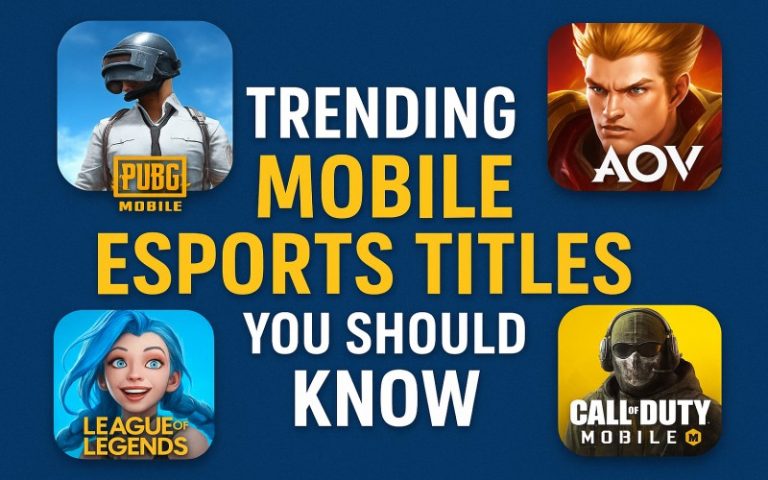
As Ludo King dominated family circles, another kind of mobile game was quietly revolutionizing the Indian youth. PUBG Mobile burst onto the scene and changed everything. With its realistic graphics, survival mechanics, and global competition, PUBG brought console-quality gaming to mobile devices.
It wasn’t just a game—it was a social phenomenon. Players coordinated over voice chat, formed squads, competed in ranked matches, and celebrated every “Chicken Dinner” like a real achievement. Suddenly, gaming was no longer a secret habit. It was out in the open—streamed live, discussed in school groups, and debated over coffee.
For those with budget smartphones, Free Fire offered a similar experience with less demand on system resources. It was faster, lighter, and more accessible to gamers in Tier 2 and Tier 3 cities. As a result, it built a loyal following and became a strong competitor in the battle royale space.
This was the moment gaming in India shifted from casual fun to serious entertainment.
The Game-Changer: Call of Duty Mobile
In 2019, Call of Duty Mobile made its debut—and it brought a whole new level of polish to mobile gaming. Developed with top-notch graphics, classic multiplayer modes, and intense battle royale gameplay, it quickly became a favorite among competitive gamers.
Call of Duty Mobile offered what Indian gamers had been craving: speed, action, and tactical depth. It was more than just another shooter. It was a showcase of how far mobile games had come in terms of quality, engagement, and replay value.
What made it stand out wasn’t just the gameplay—it was the attention to detail, the regular updates, and the community-focused experience. Players felt like they were part of a global movement. With professional tournaments, seasonal events, and in-game challenges, the game kept its audience engaged long after launch.
The Technology Behind the Boom
India’s mobile gaming revolution didn’t happen in isolation. Several factors contributed to its explosive growth.
First, smartphone penetration increased drastically. Affordable devices with high-performance capabilities became common, even in smaller towns and villages. Phones under ₹15,000 could now handle high-end games with ease.
Second, the data revolution led by Jio made internet access cheap and widespread. With high-speed mobile data available at low prices, streaming games, downloading updates, and playing online became easier than ever.
Third, digital payment systems enabled smoother in-game purchases, while platforms like YouTube, Loco, and Discord helped form gaming communities, allowing players to share content, strategies, and grow as creators.
The Birth of a New Career Path
What was once a hobby has now become a career for many. Indian gamers are making money through livestreaming, brand partnerships, and esports tournaments. Influencers like Mortal, Scout, and Dynamo have become celebrities, with millions of followers.
Colleges and institutions have started offering courses in game design, esports management, and content creation. Gaming cafes have evolved into professional training hubs. Esports teams have managers, sponsors, and dedicated fans.
Gaming isn’t just fun anymore—it’s serious business.
What’s Next for Indian Gaming?
Looking ahead, the future is full of potential. With the arrival of 5G, cloud gaming services like Xbox Cloud and Nvidia GeForce Now may soon become mainstream, reducing the need for high-end hardware.
We’re also seeing a rise in Indian-made games. Developers are starting to understand the importance of local content, regional languages, and cultural themes. As this ecosystem matures, India could become not just a major consumer of games, but also a global creator.
Virtual reality, augmented reality, and AI-driven storytelling are also set to redefine mobile gaming in the years ahead. And with every new leap, India will be at the forefront—playing, sharing, and winning.
Final Thoughts
From the innocent joy of Ludo King to the adrenaline rush of Call of Duty Mobile, the journey of mobile gaming in India is more than just an industry trend. It’s a reflection of how technology, culture, and human connection intersect.
India didn’t just catch up with the world—it created its own gaming identity. One that’s diverse, passionate, and ever-evolving. The dice has been rolled, the battlefields have been drawn, and Indian gamers are ready to play like never before.

Comments
Leave a comment Replying to
Comments are reviewed before they appear. Your email is never published.