
The Future of Medicine: Genetics Revolutionizing Healthcare
Explore how genetics is transforming healthcare, paving the way for personalized treatments and advanced medical breakthroughs.
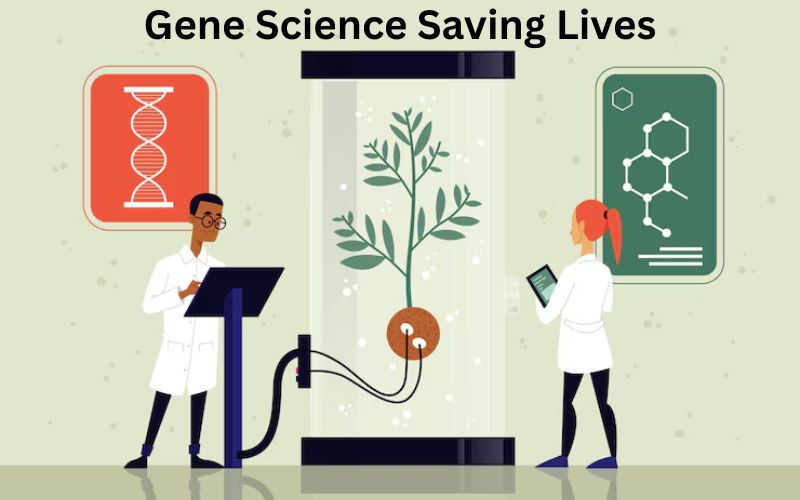
The landscape of healthcare is undergoing a profound transformation, driven by rapid advancements in genetics. As our understanding of the human genome deepens, medicine is shifting from a one-size-fits-all approach to a more personalized, precise, and proactive model. Genetics holds the promise to revolutionize how diseases are diagnosed, treated, and even prevented, heralding a new era in healthcare that could dramatically improve patient outcomes worldwide.
The Genetic Revolution: A Brief Overview
Genetics, the study of genes and heredity, has long been a pillar of biological science. However, the completion of the Human Genome Project in 2003 marked a watershed moment, providing a detailed map of all the genes in human DNA. This milestone unleashed a wave of innovations that are still unfolding today. By analyzing an individual's genetic makeup, scientists can now identify predispositions to diseases, understand how different patients respond to treatments, and design therapies tailored to the genetic profile of each person. This field, known as personalized medicine or precision medicine, is shifting healthcare from reactive to predictive and preventive.Personalized Medicine: Tailoring Treatment to the Individual
Traditional medicine often treats diseases based on symptoms and standardized protocols. However, patients with the same diagnosis may respond very differently to the same treatment. Genetics helps explain this variability by revealing the genetic factors influencing drug metabolism, efficacy, and side effects. For example, pharmacogenomics studies how genes affect a person’s response to drugs. This knowledge enables doctors to select medications that are most effective and safest for each patient. Patients with certain genetic variants may require adjusted drug dosages or alternative therapies to avoid adverse reactions. A real-world application of this is in cancer treatment. Tumors can be genetically profiled to identify mutations driving their growth. Targeted therapies, designed to attack these specific genetic alterations, have revolutionized cancer care. Drugs like Herceptin for HER2-positive breast cancer and imatinib for chronic myeloid leukemia exemplify how genetics-based treatments can improve survival rates and quality of life.Early Detection and Prevention: Genetics as a Crystal Ball
One of the most promising aspects of genetic medicine is its potential for early detection and prevention. By analyzing genetic risk factors, healthcare providers can identify individuals at higher risk for certain diseases long before symptoms appear. Take BRCA1 and BRCA2 gene mutations, for example. Women carrying these mutations have a significantly increased risk of breast and ovarian cancers. Genetic testing allows these individuals to pursue proactive measures, such as enhanced screening, lifestyle changes, or preventive surgeries, reducing their risk and improving outcomes. Beyond cancer, genetics is helping to predict susceptibility to conditions like heart disease, diabetes, and Alzheimer’s disease. This shift towards prevention has the potential to reduce healthcare costs, improve quality of life, and increase lifespan.The Role of Gene Editing: CRISPR and Beyond
While genetic testing provides crucial insights, gene editing technologies are pushing the boundaries even further. CRISPR-Cas9, a revolutionary gene-editing tool, allows scientists to precisely modify DNA sequences within living cells. This technology opens doors to correcting genetic mutations that cause disease. Although still in early stages, CRISPR has already shown promise in treating inherited disorders such as sickle cell anemia and certain types of blindness. The ability to edit faulty genes could one day eliminate many genetic diseases altogether. However, gene editing raises complex ethical questions. Issues of safety, consent, and potential misuse need careful regulation to ensure that this powerful technology benefits society without unintended harm.Genetics and the Microbiome: A New Frontier
The human body is home to trillions of microorganisms, collectively known as the microbiome. Recent research shows that genetics and the microbiome interact closely, influencing health in profound ways. Understanding this relationship could lead to new treatments for autoimmune diseases, obesity, and mental health disorders by modulating the microbiome based on an individual’s genetic profile. This emerging field underscores how genetics is not just about human DNA but also the complex ecosystems within us.Challenges and Considerations
While genetics offers extraordinary potential, several challenges remain before its full benefits can be realized:- Data Privacy and Ethics: Genetic information is highly personal and sensitive. Protecting patient privacy and preventing genetic discrimination in insurance or employment are critical concerns.
- Cost and Accessibility: Advanced genetic testing and therapies can be expensive and may not be accessible to all populations, risking widening health disparities.
- Interpretation Complexity: Not all genetic variants have clear implications, and environmental and lifestyle factors also play a major role in disease development.
- Regulatory Frameworks: As new technologies emerge rapidly, regulatory bodies must keep pace to ensure safety and efficacy.
The Road Ahead: A Healthcare Revolution
Despite these hurdles, the future of medicine lies firmly intertwined with genetics. Advances in artificial intelligence and big data analytics are accelerating the interpretation of genetic information, making personalized care more practical and scalable. Healthcare systems around the world are beginning to integrate genetic testing into routine care. From newborn screening to pharmacogenomics-guided prescribing, genetics is becoming an indispensable tool for clinicians. Moreover, ongoing research and clinical trials continue to uncover novel genetic therapies, expanding the horizon of what is medically possible.Conclusion
Genetics is revolutionizing healthcare by enabling a shift towards personalized, predictive, and preventive medicine. By understanding the genetic roots of disease, we can tailor treatments, detect illnesses earlier, and potentially correct genetic defects at their source. While challenges remain, the integration of genetics into everyday healthcare promises to transform patient outcomes and redefine the future of medicine.

Comments
Leave a comment Replying to
Comments are reviewed before they appear. Your email is never published.