
Copper Conscious Eating: The Power of Trace Minerals
Copper Conscious Eating the benefits of copper and other trace minerals in your diet, enhancing health, energy, and overall well-being.
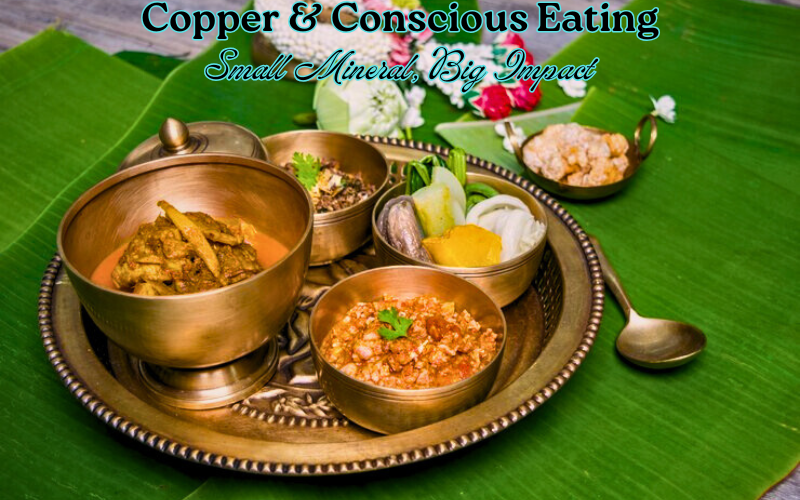
Understanding Copper: The Essential Trace Mineral
Copper is a trace mineral, meaning the body requires it in very small amounts—typically about 900 micrograms (mcg) per day for adults. Even at these small doses, copper is indispensable. It functions primarily as a cofactor for enzymes, assisting in chemical reactions essential to life.Key Roles of Copper in the Human Body:
- Energy Production: Copper helps convert food into usable energy by supporting mitochondrial function.
- Iron Metabolism: Copper assists in the absorption and utilization of iron, preventing anemia.
- Brain Development: It is essential for neurotransmitter production and brain signaling.
- Immune Defense: Copper contributes to the development and maintenance of immune system integrity.
- Antioxidant Activity: Copper is a component of superoxide dismutase (SOD), an enzyme that reduces oxidative stress by neutralizing free radicals.
- Connective Tissue Formation: It supports collagen and elastin production, which keep skin, bones, and blood vessels strong and flexible.
The Need for Copper Conscious Eating
Why Focus on Copper?
In modern diets—particularly those influenced by processed foods, over-supplementation, or strict dietary restrictions—imbalance in trace minerals is becoming increasingly common. The problem isn’t always outright deficiency, but sometimes a lack of bioavailable copper, or worse, a relative copper imbalance due to excess zinc or iron intake (both of which can inhibit copper absorption). Becoming copper-conscious means understanding this delicate interplay and making dietary choices that support balance and functionality.Copper Deficiency: A Silent Disruptor
While copper deficiency is rare in healthy individuals with a varied diet, it can occur due to several factors:Common Causes of Copper Deficiency:
- Excess Zinc Supplements: Zinc competes with copper for absorption.
- Gastrointestinal Surgery or Disorders: Conditions like Crohn’s disease impair nutrient absorption.
- Unbalanced Vegan or Vegetarian Diets: Lack of variety can lead to trace mineral deficiencies.
- Genetic Disorders: Such as Menkes disease, which affects copper metabolism.
Symptoms of Copper Deficiency:
- Fatigue and weakness
- Frequent infections
- Pale skin or anemia
- Neurological symptoms (numbness, tingling, poor coordination)
- Osteoporosis or brittle bones
- Skin depigmentation or pallor
Can You Have Too Much Copper?
Yes—like most nutrients, copper follows a U-shaped curve, meaning both too little and too much can be harmful.Copper Toxicity:
Typically, toxicity arises not from food but from over-supplementation, environmental exposure, or genetic disorders like Wilson's disease, where copper accumulates in organs.Symptoms of Excess Copper:
- Nausea or vomiting
- Abdominal pain
- Liver damage
- Mood swings or mental health issues
- Metallic taste in the mouth
Top Copper-Rich Foods to Include in Your Diet
Adopting copper-conscious eating doesn't require exotic or expensive ingredients. Many everyday foods are excellent natural sources of bioavailable copper.Animal-Based Sources:
- Beef liver: 1 slice (~67g) = ~12,000 mcg of copper!
- Shellfish (especially oysters, lobsters, and crab)
- Dark poultry meat (like duck or turkey thigh)
Plant-Based Sources:
- Nuts and Seeds: Cashews, sunflower seeds, sesame seeds
- Legumes: Lentils, chickpeas, and soybeans
- Whole Grains: Quinoa, oats, buckwheat, and barley
- Dark Leafy Greens: Spinach, kale
- Avocados
- Mushrooms (especially shiitake)
- Cocoa and Dark Chocolate
Tip for Vegans/Vegetarians:
Though plant-based diets can offer adequate copper, it’s important to balance zinc intake and include whole foods rather than processed meat substitutes, which may lack trace minerals.Balancing Copper with Other Nutrients
Conscious eating also involves understanding how copper interacts with other nutrients. The most notable of these is zinc.The Copper-Zinc Balance:
- Zinc and copper compete for absorption in the small intestine.
- High doses of zinc supplements (>40 mg/day) can reduce copper levels, leading to deficiency over time.
- A good rule of thumb for supplementation is a zinc-to-copper ratio of 8:1 (for example, 15 mg zinc and 2 mg copper).
- Vitamin C: In large doses, it may reduce copper absorption.
- Iron: High iron supplementation can also interfere with copper.
- Molybdenum: Excess can exacerbate copper deficiency.
Copper and Mental Health: A Fascinating Link
Recent research suggests a connection between copper levels and mental health conditions. While findings are still emerging, the evidence so far indicates:- Low copper levels may contribute to fatigue, poor concentration, and neurological decline.
- High copper levels, on the other hand, have been associated with anxiety, irritability, and in some cases, schizophrenia or depression, though the link is not fully understood.
Copper Conscious Eating Tips
To optimize copper intake safely and naturally:✅ Diversify Your Diet
Avoid monotony. Rotate foods, include both plant and animal sources (or ensure plant-based diversity), and focus on whole, minimally processed items.✅ Check Supplement Labels
Many multivitamins contain both copper and zinc. Review dosages carefully to maintain the right balance and avoid unnecessary or redundant intake.✅ Cook in Copper Cookware (With Caution)
Unlined copper cookware can leach copper into acidic foods—this can be dangerous if excessive. Use lined or modern copper cookware if you're interested, but don’t rely on this as a dietary source.✅ Watch Out for Over-Supplementation
Only take copper supplements if prescribed. For most people, food is the safest and most effective source.✅Consider Periodic Testing
If you're experiencing unexplained fatigue, frequent infections, or neurological symptoms, ask your healthcare provider about testing copper and zinc levels.Global Copper Imbalance: Environmental and Agricultural Issues
Interestingly, copper balance isn’t just an individual issue—it’s also environmental. Soil depletion, agricultural runoff, and modern farming practices have affected the mineral content of our food supply. Monoculture farming strips the soil of trace minerals, including copper, leading to lower food nutrient density over time. Copper-deficient soils are already a problem in some parts of the world. This calls for a broader discussion on sustainable farming, soil health, and biofortification of crops to maintain public health on a mass scale.Conclusion: Copper Conscious Eating for a Better You
Copper may be a trace mineral, but its influence on our health is anything but minor. It supports essential bodily functions, protects the brain, balances other nutrients, and even contributes to emotional resilience. Yet, like all good things, it requires balance and mindfulness. Copper Conscious Eating isn’t about obsessing over numbers or popping supplements. It’s about eating with awareness—choosing nutrient-rich foods, understanding your body’s signals, and respecting the intricate web of nutrients that sustain life. In a world where fast food and fad diets often overshadow nutritional wisdom, taking time to consider even the smallest elements of our diet—like copper—can make a transformative difference. After all, health isn’t built on any one nutrient but on a symphony of balanced, intentional choices.
Comments
Leave a comment Replying to
Comments are reviewed before they appear. Your email is never published.