
How E-Waste Is Becoming a Tech Industry Crisis
Explore how e-waste is emerging as a major crisis in the tech industry, posing environmental and health challenges worldwide.
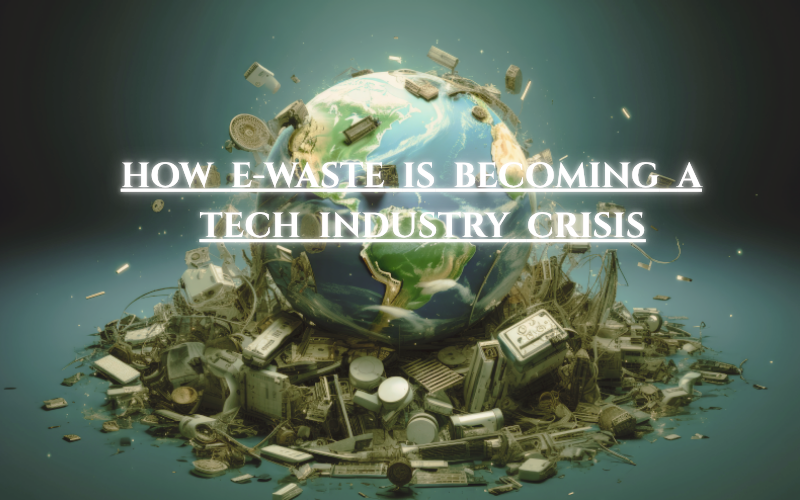
Technology is advancing at an unprecedented pace. From smartphones and laptops to smart TVs and wearable gadgets, the latest innovations are constantly pushing older models into obsolescence. While this rapid evolution fuels convenience and economic growth, it comes with a growing dark side — electronic waste, or e-waste. What was once a minor concern has now become a full-blown global crisis, threatening our environment, public health, and even digital ethics.
What Is E-Waste?
E-waste refers to discarded electronic devices or components, including phones, computers, TVs, printers, batteries, cables, and more. These gadgets contain valuable materials like gold, silver, copper, and rare earth metals — but also hazardous substances such as lead, mercury, cadmium, and flame retardants. When improperly disposed of, these toxins can leach into soil and water, harming ecosystems and human health.The Alarming Numbers
According to the Global E-Waste Monitor 2024, the world generated over 62 million metric tons of e-waste — a number expected to surpass 74 million by 2030 if current trends continue. That’s more than the weight of all the commercial airplanes ever built. Shockingly, only about 20% of this waste is formally collected and recycled. The rest ends up in landfills, incinerators, or shipped illegally to developing nations. Some of the worst offenders in e-waste generation are the most tech-savvy countries — including the United States, China, and India — where consumer culture promotes frequent upgrades and replacement cycles.Why Is E-Waste Increasing?
- Planned Obsolescence
- Short Upgrade Cycles
- Lack of Recycling Infrastructure
- Export to Developing Nations
The Human and Environmental Cost
Improper e-waste handling has severe consequences:- Health Risks: Workers in unregulated recycling operations, often including children, are exposed to toxic chemicals while dismantling devices. This leads to respiratory problems, skin diseases, and long-term illnesses.
- Environmental Damage: Heavy metals and chemicals from electronics seep into groundwater and soil, killing plant life and contaminating drinking sources.
- Air Pollution: Burning plastic casings and circuit boards to extract metals releases dangerous fumes, contributing to air pollution and climate change.
The Role of Big Tech
Major tech companies have a moral responsibility to address the crisis they helped create. Some, like Apple, Dell, and Samsung, have taken steps in the right direction by:- Launching device take-back and recycling programs
- Using recycled materials in new products
- Designing devices with modular parts to allow easy repairs
Solutions: Turning Crisis Into Opportunity
While the e-waste crisis is daunting, there are clear steps we can take to turn the tide.- Right to Repair
- Consumer Awareness
- Using devices longer before replacing them
- Repairing instead of discarding
- Buying refurbished electronics
- Recycling responsibly through certified programs
- Producer Responsibility
- Investment in Recycling Tech
- Global Collaboration
Conclusion: A Turning Point for Tech
The e-waste crisis is not just a technological issue — it’s a humanitarian and environmental emergency. As our world becomes increasingly digital, we cannot ignore the toxic trail our gadgets leave behind. The responsibility lies with manufacturers, governments, and consumers alike to change course. By rethinking how we design, use, and dispose of our electronics, we can build a more sustainable tech future — one where progress doesn’t come at the planet’s expense. It’s time to shift from a throwaway culture to a circular economy, where devices are built to last, reused, and responsibly recycled.


Comments
Leave a comment Replying to
Comments are reviewed before they appear. Your email is never published.