
The Importance of Routine Health Checkups
Learn why routine health checkups are crucial for early detection, prevention, and maintaining overall well-being.
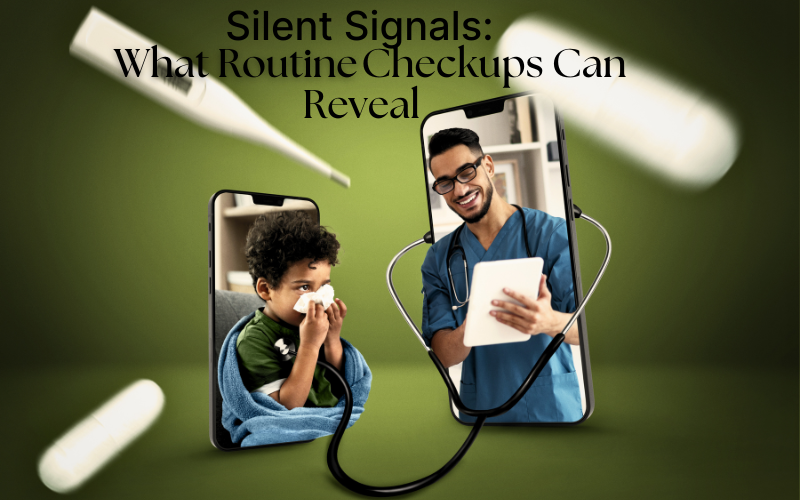
In our fast-paced modern world, we often prioritize work deadlines, family responsibilities, and social commitments over our personal health. It’s easy to delay doctor visits until we feel unwell or notice a symptom. However, this reactive approach to healthcare can have serious consequences. Routine health checkups serve as a critical component of preventive medicine, enabling early detection of potential issues and promoting a healthier, longer life.
In this blog, we delve into the importance of regular health checkups, what they typically involve, the benefits they offer, and how they can be integrated into a healthy lifestyle.
Understanding Routine Health Checkups
Routine health checkups, also known as preventive health screenings or wellness visits, are regular visits to a healthcare provider that are not prompted by specific symptoms. These checkups include physical examinations, medical history review, screenings for diseases, immunizations, and discussions about lifestyle choices. The frequency and type of tests vary depending on age, gender, family history, and overall health status. These visits are not just for diagnosing problems but also for building a relationship with your healthcare provider, understanding your body better, and making informed decisions to enhance your well-being.Why Are Routine Checkups So Important?
- Early Detection of Diseases
- Better Management of Chronic Conditions
- Updated Immunizations
- Mental Health Monitoring
- Developing a Personalized Health Plan
Key Components of a Routine Health Checkup
While the specific tests and evaluations may vary, a standard health checkup typically includes the following:- Medical History Review: Discussion about current medications, family history, allergies, previous surgeries, and lifestyle habits.
- Vital Signs Assessment: Blood pressure, heart rate, temperature, and respiration rate are checked.
- Physical Examination: Inspection of various body systems including the heart, lungs, skin, abdomen, and neurological responses.
- Laboratory Tests: Blood and urine tests to check cholesterol levels, blood sugar, liver and kidney function, and more.
- Screening Tests: Age and gender-specific screenings such as mammograms, Pap smears, colonoscopies, and prostate exams.
- Counseling: Advice on diet, physical activity, weight management, stress reduction, and substance use.
- Vaccination Updates: Administration of any necessary vaccines or booster shots.
Health Checkups by Life Stage
The type and frequency of health checkups vary based on age and risk factors. Here’s a general guide:Children and Adolescents
- Routine pediatric visits monitor growth, development, vaccinations, vision, and hearing.
- Mental health and behavioral assessments are increasingly important.
Adults (20s-40s)
- Annual or biennial visits focusing on weight, blood pressure, cholesterol, reproductive health, and lifestyle counseling.
- STI screenings and family planning discussions may also be included.
Middle Age (40s-60s)
- More frequent screenings for cardiovascular disease, diabetes, and cancers (breast, cervical, colon, prostate).
- Eye exams, hearing tests, and bone density evaluations begin to gain relevance.
Seniors (60+)
- Regular assessments for cognitive function, mobility, fall risk, and chronic disease management.
- Emphasis on bone health, hearing, vision, and vaccinations (like shingles and pneumonia).
Common Barriers to Routine Checkups
Despite the numerous benefits, many people skip routine health visits. Here are some common reasons—and why they shouldn’t hold you back:- Fear of Diagnosis
- Time Constraints
- Financial Concerns
- Misconceptions About Health
Tips to Make the Most of Your Health Checkups
- Prepare in Advance: Write down your symptoms, questions, and concerns beforehand.
- Bring a List of Medications: Include prescriptions, over-the-counter meds, and supplements.
- Be Honest: Whether it’s your diet, exercise routine, smoking, or alcohol use, give accurate information for better guidance.
- Ask Questions: Don't hesitate to ask for clarification or more information.
- Follow Up: If your doctor recommends tests or referrals, be sure to follow through.
The Bigger Picture: Societal Benefits of Preventive Care
When more individuals embrace routine checkups, the entire healthcare system benefits. Preventive care reduces hospital admissions, emergency room visits, and the overall burden on healthcare infrastructure. This allows resources to be allocated more effectively and improves health outcomes across the population. Additionally, companies that encourage employee health screenings often see reduced absenteeism, improved productivity, and lower healthcare costs. Thus, preventive health isn’t just an individual responsibility—it’s a community and societal priority.A Future Built on Prevention
With medical advancements and digital health technologies, it has never been easier to stay proactive. Wearable devices, mobile health apps, telemedicine, and electronic health records make tracking health and communicating with providers more accessible than ever before. Governments and organizations around the world are also increasingly advocating for preventive health strategies. Awareness campaigns, subsidized checkups, and workplace wellness programs are driving a shift toward a more health-conscious society.Conclusion
Routine health checkups are more than just doctor visits—they’re investments in your future. They empower individuals to take charge of their well-being, detect problems early, manage existing conditions better, and lead longer, more fulfilling lives. In a world where diseases are becoming more complex and lifestyles more sedentary, the simple act of scheduling a checkup can be a powerful decision. Whether you’re young and healthy or managing chronic conditions, make routine health checkups a non-negotiable part of your life. Your health is your greatest wealth—nurture it, protect it, and prioritize it. Start today. Call to Action: Have you scheduled your annual checkup yet? Don’t wait for symptoms to show—make preventive health a habit. Consult your physician and take a proactive step toward a healthier you.
Comments
Leave a comment Replying to
Comments are reviewed before they appear. Your email is never published.