
The Business of Sports: How Sponsorships Shape Games
Explore how sponsorships influence the business of sports, shaping games, athlete brands, and fan experiences on a global scale.
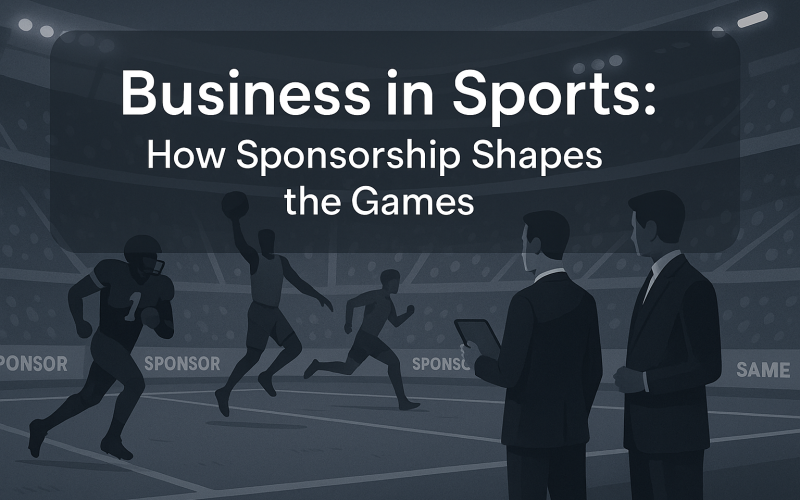
Sports are no longer just about passion, performance, and prestige. They’ve become big business — and at the heart of this economic machine lies sponsorships. From logos on jerseys to naming rights for entire stadiums, sponsorships have grown into a crucial part of the sports ecosystem. But how exactly do these corporate deals shape the games we love? Let’s explore the deep relationship between sports and sponsorships — a powerful bond that has transformed athletes into brands and games into global events.
The Rise of Commercial Sports
Sports and business have always had a connection, but the 21st century has seen a massive shift. Today, professional sports are driven not only by fans and athletes but also by corporate investment. Sponsorships provide financial backing that supports teams, leagues, athletes, and even grassroots programs. This funding is essential in helping teams afford better facilities, training, travel, and marketing. In return, brands gain visibility, credibility, and emotional connection by aligning with popular sports entities. Whether it’s Nike sponsoring Serena Williams or Coca-Cola backing FIFA events, these partnerships are built to reach massive audiences and build brand loyalty.What Is Sports Sponsorship?
Sports sponsorship refers to the financial or in-kind support a brand gives to a sports entity in exchange for promotional benefits. These sponsorships can take various forms:- Title Sponsorship: When a brand sponsors the name of a league or tournament (e.g., Tata IPL, Barclays Premier League).
- Jersey Sponsorship: Brands place their logos on athlete uniforms, gaining high visibility.
- Event Sponsorship: Companies sponsor entire sporting events or tournaments.
- Individual Athlete Sponsorship: Athletes receive personal deals for endorsing products (e.g., Lionel Messi with Adidas).
- Stadium Naming Rights: Venues are named after brands (e.g., Emirates Stadium, Wankhede by Mumbai Indians sponsors).
Why Sponsorships Are Vital to Sports
- Revenue Generation
- Enhanced Fan Experience
- Marketing and Global Reach
Real-Life Examples of Powerful Sponsorships
- Nike and Michael Jordan: The Air Jordan brand is a multi-billion-dollar success story. Nike turned Jordan into a brand of his own, revolutionizing sports marketing.
- Red Bull in Extreme Sports: Red Bull doesn’t just sponsor — it creates events like Red Bull Rampage or Formula 1’s Red Bull Racing. This has positioned the brand as a leader in high-adrenaline sports.
- Dream11 and Indian Premier League (IPL): Dream11 became title sponsor of IPL, gaining massive visibility and driving the fantasy sports industry boom in India.
- Pepsi and the Super Bowl: Pepsi’s long-standing sponsorship of the Super Bowl halftime show has given it cultural capital far beyond just soda sales.
The Influence on Gameplay and Decisions
Sponsorships don’t just impact the business side — they sometimes influence sporting decisions too:- Scheduling and Broadcasting: Games are scheduled to suit prime-time slots for maximum viewership, often driven by sponsor and broadcaster interests.
- Team Names and Jerseys: In some leagues, team names even include sponsor names. This can dilute tradition but enhances sponsor loyalty.
- Athlete Media Presence: Athletes now have to maintain public images to attract or retain sponsorships. This shapes how they behave on and off the field.
Challenges and Ethical Concerns
While sponsorships bring financial strength, they also raise some concerns:- Over-Commercialization
- Controversial Sponsors
- Pressure on Athletes
The Future of Sports Sponsorship
With digital transformation, sponsorships are becoming smarter and more interactive. Brands now use data analytics to track engagement and adjust campaigns in real time. Augmented reality (AR), virtual reality (VR), and wearable technology will take fan-sponsor interaction to the next level. Moreover, social media influencers and micro-sponsorships are rising, where athletes with smaller but loyal followings attract niche brands.Final Thoughts
Sponsorships are no longer just background deals — they are central to how sports are played, viewed, and celebrated. From funding talent development to transforming fan experiences, they play a vital role in shaping modern sports. However, as with any powerful tool, they must be used with integrity and balance. The next time you watch a game, take a moment to notice the sponsor logos. Behind each one lies a strategic partnership that is shaping the future of sports, both on and off the field.

Comments
Leave a comment Replying to
Comments are reviewed before they appear. Your email is never published.