
Digital Nomads and the Remote Work Revolution
Explore how digital nomads are driving the remote work revolution, embracing flexibility and work-life balance in a borderless world.
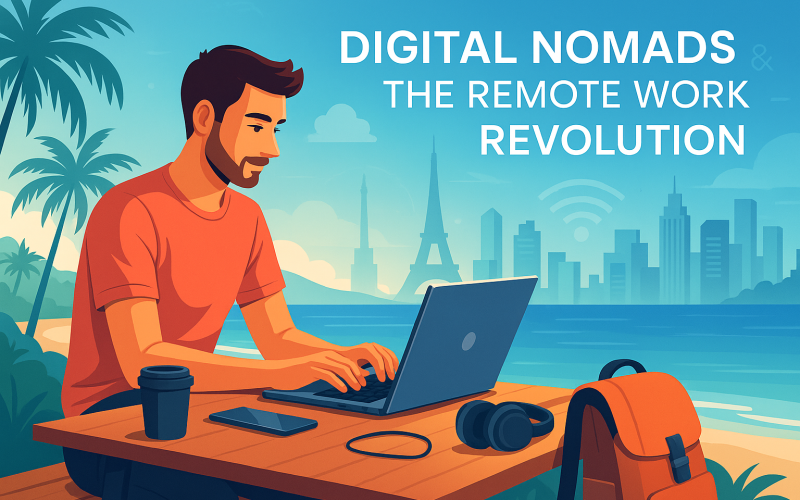
Not long ago, working from the beach with a laptop seemed like a fantasy reserved for Instagram influencers and tech freelancers. But in the past few years, that fantasy has become a thriving global trend. Welcome to the era of digital nomads—people who work remotely while traveling the world—and the larger movement they’re part of: the remote work revolution.
What started as a lifestyle choice for the adventurous few is now transforming how the world thinks about productivity, work-life balance, and freedom.
Who Are Digital Nomads?
A digital nomad is someone who earns a living by working online and chooses to live a location-independent lifestyle. They may spend a few months in Bali, then move to Lisbon or Medellín—wherever they find a strong Wi-Fi connection and affordable living. While many are freelance writers, designers, or software developers, the scope has expanded. Today’s digital nomads include marketers, consultants, virtual assistants, online educators, and even full-time employees working remotely for global companies. It’s not just a trend—it’s a movement. According to Statista, the number of digital nomads in the U.S. alone has more than doubled since 2019, with over 17 million people identifying as digital nomads by 2024.The Remote Work Revolution: A Global Shift
The remote work revolution was already gaining steam in the 2010s, but COVID-19 fast-tracked it. What started as a crisis response turned into a global experiment. Millions of workers and employers learned that productivity didn’t vanish outside the office—in many cases, it improved. Suddenly, the 9-to-5 office model didn’t seem so essential. As a result:- Tech giants like Google, Meta, and Microsoft embraced hybrid work.
- Remote-first companies like GitLab and Automattic became models of success.
- Many startups were born completely remote.
Benefits of the Digital Nomad Lifestyle
- Freedom and Flexibility
- Cost of Living Arbitrage
- Cultural Enrichment
- Escape the Commute
Challenges That Come With the Freedom
While the lifestyle is appealing, it’s not without its downsides.- Loneliness and Isolation
- Work-Life Balance
- Legal and Visa Issues
- Unreliable Infrastructure
Countries Embracing the Nomad Economy
Recognizing the economic potential, several countries have created special visas and incentives for digital nomads:- Estonia: The first to launch a dedicated digital nomad visa in 2020.
- Portugal: Offers a “D7” passive income visa popular among remote workers.
- Barbados: Its “Welcome Stamp” lets remote workers live and work there for up to 12 months.
- Indonesia: Recently introduced a long-term visa for remote workers in Bali, a global hotspot for digital nomads.
- Georgia, Croatia, and Dubai also have flexible remote work policies.
Tools Powering the Movement
A variety of tech tools make remote work and nomadism possible:- Communication: Slack, Zoom, Google Meet
- Project Management: Trello, Notion, Asana
- Time Management: Clockify, Toggl
- Cloud Storage: Google Drive, Dropbox
- Co-working Platforms: Croissant, Deskpass, and even Airbnb’s “Live Anywhere” programs
What’s Next for Digital Nomads?
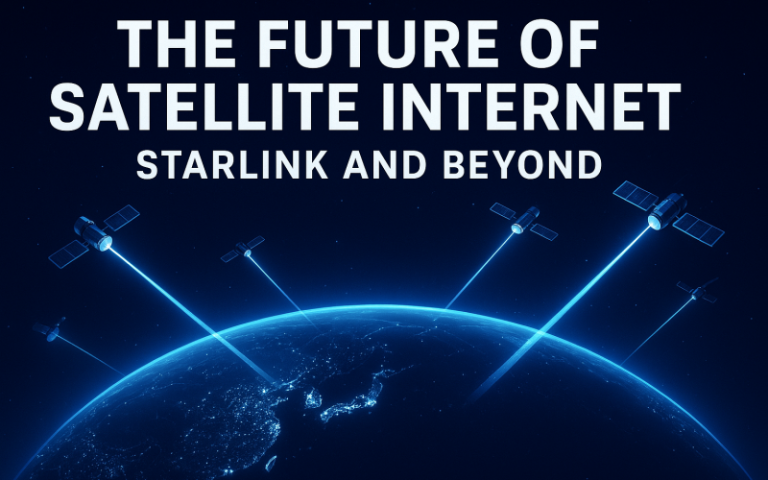
As more companies go fully remote or adopt hybrid models, the digital nomad lifestyle will likely become mainstream—not just a fringe movement. With advances in global internet access (like Starlink), remote work may soon reach even the most rural locations. In the near future, we may see:- More countries introducing tax-friendly nomad visas
- AI-driven co-working hubs
- Nomad-friendly health insurance and banking services
- Corporate policies supporting work-from-anywhere
Final Thoughts: Work Is No Longer a Place
The rise of digital nomads proves that work no longer has to happen in one fixed place. The new era of work is about freedom, autonomy, and adaptability. Whether you're in a jungle cabin, a mountain lodge, or a city café, the tools—and mindset—are now in place to work from anywhere. It’s not just a new way to earn a living—it’s a new way to live.

Comments
Leave a comment Replying to
Comments are reviewed before they appear. Your email is never published.