
Genetics 2.0: Can We Really Edit Life?
Genetics 2.0 and the possibilities of gene editing, from curing diseases to altering life itself, and the ethical questions it raises.
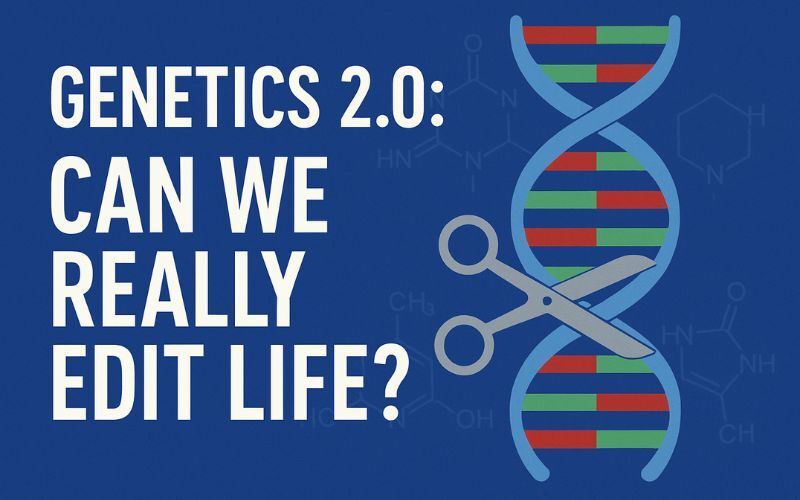
We are standing at the edge of a biological revolution. One where DNA, the code of life, is no longer just something we study—but something we can rewrite. This new age of gene science, often dubbed Genetics 2.0, is unlocking a world of possibilities, from curing genetic diseases to redesigning crops, and even creating life from scratch. But with this power comes a flood of ethical questions and challenges that we are only beginning to understand.
So, can we really edit life? Let’s break it down.
What Is Genetics 2.0?
Genetics 2.0 isn’t just a term—it represents the next phase in genetic science. While traditional genetics focused on understanding heredity and gene function, the modern era is about manipulating genes with incredible precision. Thanks to breakthroughs like CRISPR-Cas9, scientists are no longer limited to observing how genes work—they can now edit, delete, and insert genetic material with remarkable accuracy. This ability is transforming biology from a descriptive science to an engineering discipline, where we can now program living systems much like we program software.How Does Gene Editing Actually Work?
One of the most game-changing technologies in Genetics 2.0 is CRISPR-Cas9. Originally discovered in bacteria as a defense mechanism against viruses, CRISPR is now a tool that enables researchers to cut DNA at specific sites. Here’s how the process works:- A guide RNA is designed to match the DNA sequence scientists want to edit.
- This RNA leads the Cas9 enzyme to the targeted gene.
- Cas9 then makes a cut in the DNA at that exact spot.
- The cell's natural repair system kicks in—either knocking out the gene or replacing it with new genetic material.
Real-World Applications of Genetics 2.0
- Curing Genetic Diseases
- Sickle cell anemia
- Thalassemia
- Cystic fibrosis
- Huntington’s disease
- Revolutionizing Agriculture
- Wheat resistant to mildew
- Drought-tolerant rice
- Tomatoes with longer shelf life and improved nutrients
- Animal Health and Livestock
- Create pigs resistant to diseases like PRRS (Porcine Reproductive and Respiratory Syndrome)
- Improve milk quality in cows
- Prevent the birth of male chicks in poultry (a humane solution to mass culling)
The Ethics of Editing Life
With such powerful tools comes an urgent need to address the ethical questions they raise.What is Germline Editing?
Most medical uses of CRISPR involve somatic cells, which don’t pass changes to offspring. But germline editing involves eggs, sperm, or embryos. Changes made here are heritable—they are passed down through generations. While this could be used to prevent hereditary diseases, it also opens the door to “designer babies”—where parents might choose their child’s eye color, height, or even intelligence. This raises big questions:- Should we allow such edits at all?
- Who decides what traits are acceptable?
- What happens if something goes wrong?
The Case of the CRISPR Babies
In 2018, Chinese scientist He Jiankui shocked the world by announcing he had edited the genes of twin girls to make them resistant to HIV. The scientific community widely condemned the act, calling it unethical, unsafe, and premature. He was sentenced to prison, but the incident revealed how quickly this technology can leap ahead of regulation and consensus.Global Regulation and Debate
Organizations like the World Health Organization (WHO) and UNESCO have called for a global pause on germline editing until more ethical frameworks are in place. Many countries, including India, have banned or heavily restricted germline gene editing in humans. But the policies vary widely, and the global debate is still ongoing. Key concerns include:- Safety: Off-target effects can cause unintended mutations.
- Consent: Future generations can’t consent to changes made to their DNA.
- Equity: If only the wealthy can afford gene editing, it could worsen social inequality.
- Biodiversity: Editing genes in animals or crops without understanding long-term consequences could disrupt ecosystems.
What Does the Future Hold?
The future of gene editing is both exciting and uncertain. Some possible developments include:- Personalized Medicine
- Gene Drives
- Synthetic Biology
- Human Enhancement
Final Thoughts: Can We Really Edit Life?
Yes, we can—but the bigger question is, should we? Genetics 2.0 is one of the most transformative advancements in modern science. It holds the potential to solve problems that have plagued humanity for centuries: disease, hunger, and ecological damage. But it also challenges our understanding of nature, ethics, and the future of human evolution.

Comments
Leave a comment Replying to
Comments are reviewed before they appear. Your email is never published.