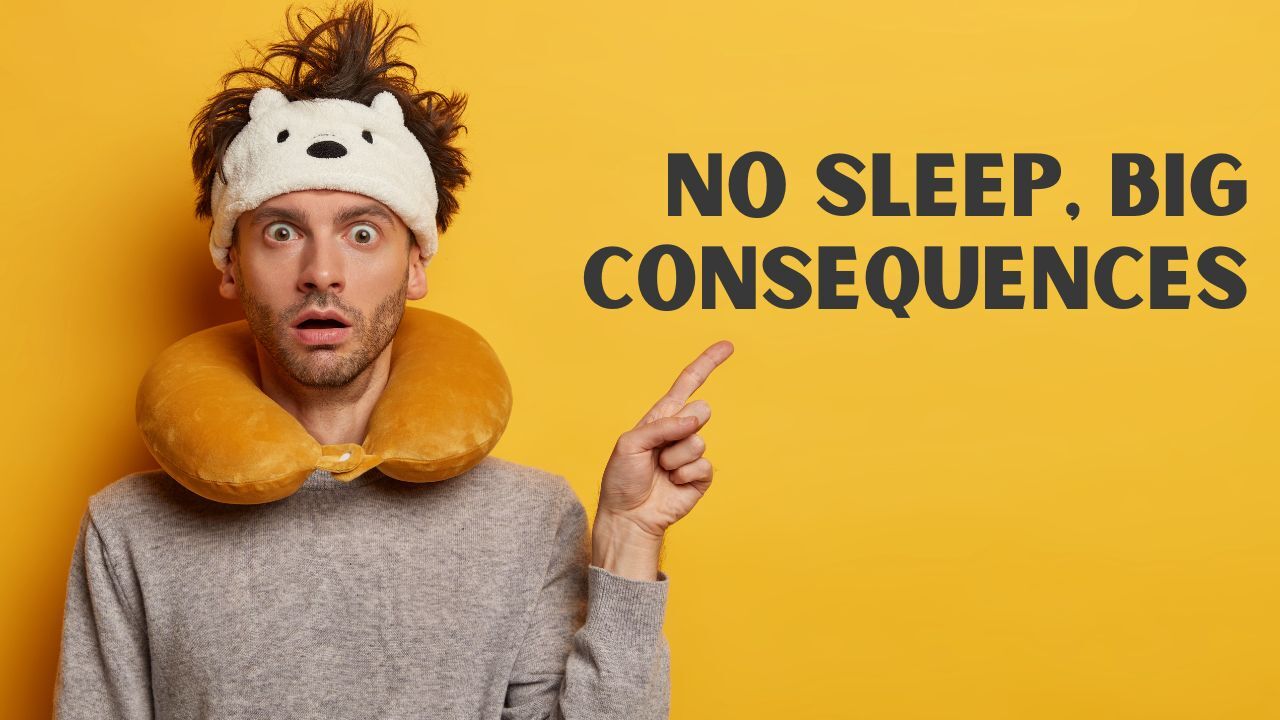
What Happens to Your Brain When You Don’t Sleep for 24 Hours

What Happens to Your Brain

We’ve all done it—pulled an all-nighter for exams, stayed up late binge-watching a series, or lost sleep scrolling through endless reels. Missing a night of sleep may feel like a small sacrifice, but what actually happens to your brain after just 24 hours without rest?

Spoiler: It’s not pretty.

Whether you’re a student, a gamer, or just caught in the chaos of life, here’s a deep dive into how a single sleepless night throws your brain into chaos—and why it’s something you shouldn’t ignore.
Your Brain Starts Slowing Down—Fast

After 16 hours of being awake, your brain begins to experience a drop in cognitive performance. But after 24 hours?

Your reaction times slow down to levels equivalent to being legally drunk.

Studies have shown that going 24 hours without sleep can impair your ability to focus, solve problems, and retain memories. Tasks that usually take seconds may feel like a foggy chore. Your brain’s frontal lobe—the region responsible for reasoning, decision-making, and emotional control—begins to malfunction.

Basically, your brain is awake but operating on low battery.

You’ll Forget Simple Things—Like Why You Walked Into a Room

Sleep is when your brain consolidates memory. Without it, your ability to form and retain new memories is drastically reduced. That’s why you may find yourself forgetting names, appointments, or even why you opened the fridge.

The hippocampus, your brain’s memory center, becomes sluggish, like it’s trying to function through a thick fog. You might be awake, but you’re not really present.

Your Emotions Go Out of Control

Ever noticed how small problems feel huge after a sleepless night?

That’s because the amygdala—the part of the brain that controls emotions—goes into overdrive without sleep. At the same time, the prefrontal cortex (which usually calms your emotions) is less active.

The result? You’re more irritable, anxious, and emotionally unstable. Sleep-deprived brains often overreact to negative stimuli, which can lead to unnecessary conflicts or emotional breakdowns.

Your Senses Start to Trick You

After 24 hours, your perception gets seriously messed up. You might hear things that aren’t there, see shadows move, or feel like your surroundings are slightly unreal.

This is because prolonged wakefulness messes with the brain’s sensory processing centers. In extreme cases, sleep deprivation can lead to microdreams—short bursts of sleep where your brain temporarily shuts down for a few seconds even while you’re technically awake.

Yes, your brain might be sneakily napping without you even knowing it.

Your Brain Begins to “Eat Itself” (Yes, Really)

Sounds dramatic? Unfortunately, it’s true.

A study published in the Journal of Neuroscience found that during sleep deprivation, the brain activates glial cells that start cleaning up worn-out cells—at a much higher rate than normal. In other words, your brain begins over-cleaning, breaking down parts of itself that should have been left intact.

While this sounds helpful, excessive and unnecessary breakdown may increase the risk of neurological disorders over time, including Alzheimer’s and dementia.

Your Decision-Making Gets Risky and Reckless

Sleep deprivation weakens the brain’s risk filter. That’s why after an all-nighter, people tend to make impulsive decisions—whether it’s blowing money online, skipping meals, or saying something they regret.

With the brain’s judgment center dulled, you’re more likely to take risks and ignore consequences.

That one night of lost sleep could cause damage that takes days to reverse—not just in your health, but in your life choices too.

What Happens When You Finally Sleep Again?

Here’s the good news: One solid night of sleep (7–9 hours) helps reverse most of the short-term effects of sleep deprivation. Your memory improves, your mood stabilizes, and your brain starts clearing out toxins again.

But chronic sleep loss—that is, consistently sleeping less than 6 hours a night—can cause long-term damage to your brain’s structure and function. So while one all-nighter won’t destroy your mind, turning it into a habit just might.

The Science Is Clear: Your Brain Wasn’t Built for 24/7

Sleep isn’t a luxury. It’s a biological necessity, just like food or water.

Think of it like this: you charge your phone every night without fail. Doesn’t your brain deserve the same care?

If you want to stay sharp, focused, creative, and emotionally balanced, you don’t need more caffeine—you need more sleep.

Final Thoughts

In a culture that glorifies hustle and late-night productivity, sleep often gets treated like a weakness. But science says the opposite: your brain is at its best when it’s well-rested.

So the next time you’re tempted to skip sleep to finish that project or binge one more episode, remember what’s at stake. Because after just 24 hours without sleep, your brain is no longer your best friend—it’s your biggest liability.

Total
0
Shares
Leave a Reply

Your email address will not be published. Required fields are marked *

Related Posts