
Understand Sleep Paralysis: Causes, Symptoms & Treatment
Understand sleep paralysis: Learn its causes, symptoms, treatment options, and prevention tips to manage and reduce episodes effectively.
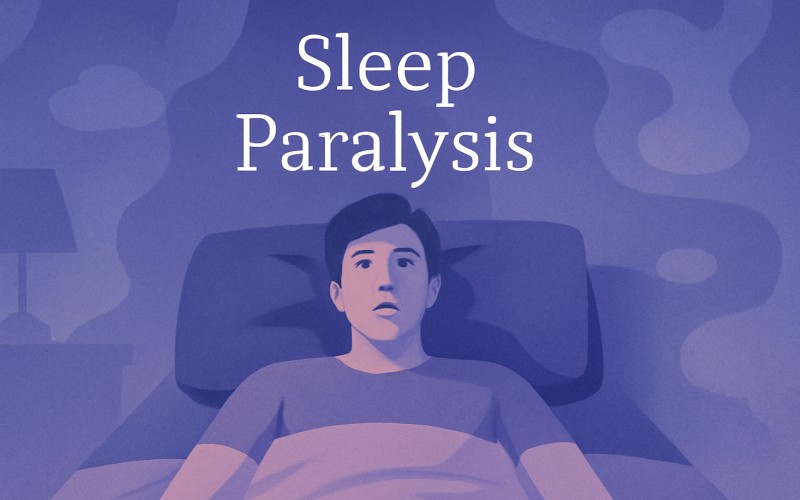
Sleep paralysis is a terrifying phenomenon that occurs when a person temporarily experiences the inability to move or speak just before falling asleep or upon waking up. Although the experience is generally short-lived, lasting anywhere from a few seconds to a couple of minutes, the emotional distress it causes can be profound. Imagine waking up in the middle of the night, unable to move your body, often feeling a sense of dread or anxiety, with hallucinations adding to the horror. Sleep paralysis may leave you confused and frightened, but rest assured, it is not as uncommon as you might think. This article helps you understand sleep paralysis by exploring its causes, symptoms, treatment options, and practical steps to manage and prevent it.
What Is Sleep Paralysis?
Sleep paralysis occurs when your brain wakes up, but your body remains in a sleep state. During the REM (Rapid Eye Movement) sleep stage, the brain sends signals that temporarily paralyze the body’s muscles to prevent us from acting out our dreams. Sleep paralysis happens when the brain becomes conscious before the body has fully transitioned from the paralysis phase of REM sleep.
It is important to note that sleep paralysis itself is not harmful physically, but it can be a frightening experience due to the intense feelings of fear, anxiety, and helplessness that often accompany it.
How Does Sleep Paralysis Happen?
The phenomenon typically occurs during two phases:
-
As You Fall Asleep (Hypnagogic Sleep Paralysis): This type happens when you’re transitioning from wakefulness into sleep. You may experience vivid hallucinations, a sense of suffocation, or pressure on your chest. Your brain has entered REM sleep, but your muscles are still locked in place.
-
Upon Waking Up (Hypnopompic Sleep Paralysis): In this phase, your mind wakes up from REM sleep, but your body is still in a state of paralysis. Hallucinations can be more intense, and you may feel trapped in your bed, unable to call for help or move.
Both phases can be accompanied by visual, auditory, or even tactile hallucinations, making the experience even more unsettling.
What Are the Symptoms of Sleep Paralysis?
Sleep paralysis is often described as a temporary state of immobility during the transition between sleep and wakefulness. Below are the common symptoms:
1. Inability to Move or Speak
You may feel completely paralyzed and unable to move your arms or legs. Even though you can hear and understand everything happening around you, you cannot react or respond physically.
2. Hallucinations
Many people experience vivid and often terrifying hallucinations during sleep paralysis. These hallucinations can be visual, auditory, or even tactile, making it feel as though there is an intruder in the room, or you might feel a presence near you.
3. Pressure on the Chest
Another common symptom is the sensation of a weight pressing down on your chest, making it feel as though you are suffocating or being crushed.
4. Fear and Panic
Feelings of dread, fear, and anxiety often accompany sleep paralysis, which can lead to panic attacks. The inability to move while feeling scared makes the experience even more distressing.
5. Confusion Afterward
Once the episode ends, individuals may feel disoriented and confused, especially if the experience was intense or accompanied by hallucinations.
What Causes Sleep Paralysis?
While the exact cause of sleep paralysis remains unclear, several factors contribute to the likelihood of experiencing it:
1. Sleep Deprivation
Not getting enough sleep can disrupt the normal sleep cycle and increase the chances of experiencing sleep paralysis. People who suffer from sleep deprivation may find themselves more prone to vivid dreams or interruptions in their sleep phases.
2. Irregular Sleep Schedules
Shift workers, frequent travelers, or anyone who has an inconsistent sleep schedule is more susceptible to sleep paralysis. These disruptions can affect the body's circadian rhythms, leading to fragmented sleep.
3. Narcolepsy
Narcolepsy, a condition characterized by sudden, uncontrollable bouts of sleep during the day, is closely linked with sleep paralysis. Those with narcolepsy often experience sleep paralysis along with other symptoms, such as excessive daytime sleepiness and cataplexy.
4. Mental Health Conditions
Conditions such as anxiety, depression, PTSD, and bipolar disorder have been shown to increase the likelihood of experiencing sleep paralysis. Stress and emotional trauma can contribute to disrupted sleep patterns, leading to sleep disturbances.
5. Sleep Disorders
Conditions like sleep apnea, where breathing is interrupted during sleep, can also contribute to sleep paralysis episodes. Individuals with sleep apnea may wake up suddenly, finding themselves in a state of paralysis.
6. Substance Use
Certain substances, including alcohol and drugs, can affect sleep patterns and contribute to sleep paralysis. Medications used to treat ADHD and other mental health conditions can also have sleep-disrupting side effects.
How to Prevent Sleep Paralysis
Although sleep paralysis episodes cannot always be avoided, there are steps you can take to minimize the risk:
1. Improve Sleep Hygiene
Establish a regular sleep schedule by going to bed and waking up at the same time every day. Creating a comfortable and relaxing sleep environment can promote better, more consistent sleep.
2. Manage Stress and Anxiety
Practice relaxation techniques such as deep breathing, meditation, or yoga to manage stress and anxiety levels. Reducing emotional stress can help prevent sleep disturbances and promote a restful night’s sleep.
3. Get Enough Sleep
Aim for 7-9 hours of sleep each night to allow your body to rest fully. Avoiding late nights or irregular sleep patterns can reduce the likelihood of sleep paralysis episodes.
4. Avoid Stimulants
Limit caffeine and alcohol intake, particularly before bedtime. These substances can interfere with sleep quality and increase the chances of experiencing sleep-related disorders.
5. Sleep on Your Side
Some individuals find that sleeping on their back increases the chances of experiencing sleep paralysis. Try sleeping on your side to reduce pressure on your body during sleep.
How Is Sleep Paralysis Diagnosed?
If you experience frequent episodes of sleep paralysis, it’s essential to discuss your symptoms with a healthcare provider. They may perform the following:
1. Sleep Evaluation
A sleep specialist will assess your sleep patterns, the frequency of your sleep paralysis episodes, and your overall sleep quality. They may also inquire about your lifestyle, mental health, and medication use.
2. Polysomnogram (Sleep Study)
A polysomnogram is an overnight test that monitors your brain activity, breathing, and other vital signs while you sleep. This test can help identify sleep disorders like sleep apnea or narcolepsy, which may contribute to sleep paralysis.
3. Multiple Sleep Latency Test (MSLT)
This test measures how quickly you fall asleep and the quality of your sleep during naps. It is useful for diagnosing conditions like narcolepsy, which is closely associated with sleep paralysis.
Treatment Options for Sleep Paralysis
Currently, there is no specific treatment to stop sleep paralysis during an episode, but there are various ways to reduce the frequency of episodes and improve sleep quality:
1. Sleep Medications
In some cases, medications that regulate sleep patterns or help you stay in a deeper sleep phase may be prescribed. This can be particularly helpful for individuals with narcolepsy or other sleep disorders.
2. Cognitive Behavioral Therapy (CBT)
Cognitive behavioral therapy can be useful for managing anxiety and stress that contribute to sleep paralysis. It can help you develop strategies to cope with sleep-related issues.
3. Relaxation Techniques
Techniques such as meditation, progressive muscle relaxation, and breathing exercises can help reduce stress and improve sleep quality, reducing the likelihood of sleep paralysis.
When to Seek Medical Help
While sleep paralysis is not typically harmful, if it starts to interfere with your quality of life, it’s important to consult a healthcare provider. If your episodes are frequent or severe, or if they are causing significant emotional distress, treatment options are available to address the underlying issues.
Questions to Ask Your Healthcare Provider:
-
What’s causing my sleep paralysis episodes?
-
How can I reduce the frequency of my episodes?
-
Are there any side effects associated with treatments?
-
Should I consider seeing a sleep specialist?
Conclusion: Navigating the Sleep Paralysis Experience
Sleep paralysis can be a terrifying experience, but it’s important to understand that it’s not a dangerous condition. Recognizing the symptoms, understanding the causes, and employing strategies to improve sleep hygiene can help reduce the frequency and severity of episodes.
If sleep paralysis is significantly affecting your sleep or mental health, seeking medical advice can help you find effective treatments to manage the condition. Don’t let the fear of sleep paralysis prevent you from getting a good night’s sleep—take action today to improve your overall sleep health and well-being.



Comments
Leave a comment Replying to
Comments are reviewed before they appear. Your email is never published.