
How AI Is Learning to Understand Human Emotions
Explore how AI is learning to read and respond to human emotions, bridging the gap between tech and empathy.
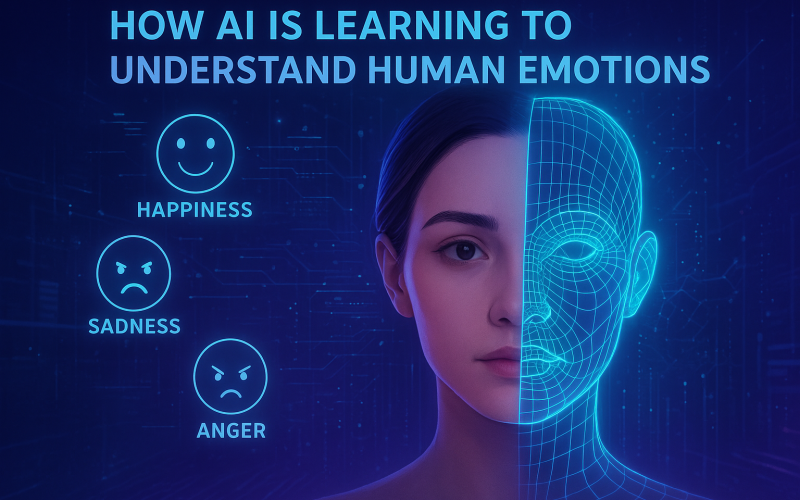
Artificial Intelligence has come a long way from crunching numbers and processing data. Today, AI is learning something far more complex, subtle, and profoundly human—emotions.
Machines are being trained not just to recognize what we say, but how we say it; not just to detect facial expressions, but to interpret the emotions behind them. This emerging field, often referred to as Affective Computing or Emotional AI, has the potential to revolutionize industries from healthcare to marketing—and even reshape the way we interact with technology.
But how exactly is AI learning to “understand” human emotions? And what could this mean for our future?
- From Data to Empathy: The Basics of Emotional AI
- Facial Recognition: AI systems analyze micro-expressions—tiny, involuntary facial movements—to gauge emotions like happiness, anger, sadness, or surprise.
- Voice Analysis: AI examines tone, pitch, and speech speed to detect stress, excitement, or calmness.
- Text Sentiment Analysis: Algorithms process written language to interpret whether the sentiment is positive, negative, or neutral.
- Physiological Signals: Wearable devices can track heart rate, skin temperature, or pupil dilation, feeding data into AI models that infer emotional states.
- The Science Behind Emotional Recognition
- Image Databases with millions of labeled photos showing various facial expressions from different cultures and age groups.
- Audio Libraries with recordings of people speaking in different emotional states, analyzed and tagged for patterns.
- Annotated Text Corpora where written messages have been categorized for emotional tone.
- Real-World Applications of Emotional AI
- Customer Service: AI-powered chatbots can detect frustration in a customer’s tone and escalate the issue to a human representative.
- Education: Online learning platforms can use webcams to gauge whether students are engaged or confused, and adapt lessons accordingly.
- Healthcare: Emotional AI can help diagnose mental health conditions by monitoring emotional patterns over time.
- Marketing: Brands can test advertisements using AI to measure emotional reactions from focus groups, ensuring their campaigns strike the right tone.
- Automotive: Cars with in-cabin cameras and sensors can detect driver fatigue or anger and take preventive measures, like slowing the vehicle or playing calming music.
- The Role of Multimodal AI
- Challenges and Limitations
- Cultural Differences: A smile in one culture might signal politeness, while in another it might be sarcastic.
- Context Matters: Someone might appear angry due to concentration, not actual irritation.
- Privacy Concerns: Constant emotional monitoring raises serious questions about data security and consent.
- Bias in Training Data: If the datasets are not diverse, the AI could misinterpret emotions in people from underrepresented groups.
- The Ethical Debate
- The Future of Emotional AI
- Smartphones that adjust notifications based on your stress level.
- Virtual Assistants that offer comfort when you sound upset.
- Therapy Bots that provide mental health support 24/7.
- Retail Experiences where in-store kiosks tailor suggestions based on your current mood.
- Balancing Innovation with Responsibility
- Transparent Data Usage: People should know when and how their emotional data is collected.
- Bias-Free Algorithms: Diverse datasets must be used to avoid cultural and demographic misinterpretations.
- Clear Boundaries: Emotional AI should not be used for manipulation, coercion, or hidden surveillance.
Final Thoughts
AI’s ability to understand human emotions represents one of the most fascinating frontiers in technology. While machines may never feel the way we do, their growing capacity to detect and respond to emotions could reshape industries, improve mental health care, and create more human-like interactions with technology. The challenge—and opportunity—lies in making sure these systems serve to empower people, not exploit them. If done right, emotional AI could be the bridge between cold data and warm human connection—a bridge that redefines our relationship with technology in the years to come.

Comments
Leave a comment Replying to
Comments are reviewed before they appear. Your email is never published.