
The Psychology of Healing: How Beliefs Impact Recovery
Beliefs shape recovery—positive mindsets can boost healing, while doubt hinders progress. Explore the psychology behind it.
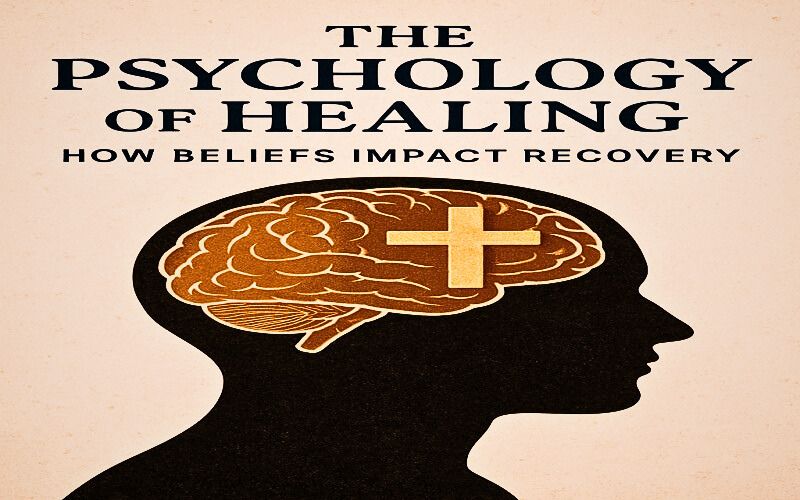
Healing isn't just a biological process. It's also deeply psychological. The mind-body connection has fascinated scientists and physicians for centuries, but only recently has research begun to reveal just how powerful our beliefs are in influencing recovery. Whether someone is healing from an injury, surgery, chronic illness, or emotional trauma, the psychology of healing plays a pivotal role. Our mindset, expectations, and emotional states can shape the trajectory of our recovery in profound ways.
This blog explores the science and psychology behind how beliefs impact healing—and why it’s time we pay as much attention to the mind as we do to medicine.
The Mind-Body Connection: More Than Just a Theory
The idea that the mind affects the body isn’t new. Ancient healing systems like Traditional Chinese Medicine and Ayurveda have always emphasized the relationship between thought and physical well-being. But in Western medicine, this connection was long viewed with skepticism—seen as pseudoscience rather than real science. That’s changing. Numerous studies now confirm that psychological factors like optimism, hope, and belief in the efficacy of treatment can lead to better health outcomes. On the other hand, stress, pessimism, and emotional trauma can delay healing and worsen symptoms. What we believe—about our illness, our treatment, and our capacity to recover—can either empower us or keep us stuck.The Placebo Effect: Proof That Belief Heals
The most compelling evidence of belief's power is the placebo effect. When patients are given a sugar pill or saline injection, but told it's a powerful drug, many report significant improvements. Sometimes, their symptoms really do improve—even when they’re not getting any active medication. How is this possible? It turns out that believing you're being treated can activate the brain’s own pharmacy. Placebos have been shown to trigger the release of endorphins, dopamine, and other neurotransmitters that promote healing, reduce pain, and enhance mood. Brain imaging studies have shown that areas involved in pain perception and reward light up when a person expects relief—even when no real treatment is given. The takeaway? Belief is a biological force. It’s not “just in your head.” It’s in your brain chemistry, immune response, and nervous system.Nocebo: When Belief Delays Recovery
If positive beliefs can heal, the reverse is also true. The nocebo effect occurs when negative expectations cause worse outcomes. For example, if a patient believes a drug will cause side effects—even if they’re taking a placebo—they may experience nausea, headaches, or fatigue. This effect is particularly dangerous in clinical settings. When doctors unintentionally communicate hopelessness or uncertainty, patients may internalize these cues and see their condition as irreversible. That belief can influence the body to slow down recovery or increase stress hormones that hamper healing. The mind doesn’t just influence healing—it can stand in the way of it.Belief and Immune Function
The immune system isn’t isolated from our emotions or thoughts. Psychological stress has been shown to suppress immune function, increase inflammation, and reduce the body’s ability to fight off infection or repair tissue. Conversely, a hopeful or empowered mindset can boost immune response. A landmark study by psychologist Dr. Sheldon Cohen found that people under chronic stress were more likely to catch a cold when exposed to a virus. On the other hand, individuals with strong social connections and a positive outlook had stronger immunity. Beliefs shape how we interpret stress—and how stress affects us physically.Healing from Trauma: The Role of Narrative
When it comes to emotional healing, belief plays a different but equally vital role. How we interpret what happened to us—especially in the aftermath of trauma—can determine how deeply it wounds us, and how quickly we recover. Psychologists refer to this as “narrative identity.” It's the story we tell ourselves about who we are and what we've been through. People who frame their trauma as something they survived rather than something that defines them often show better psychological outcomes. For example:- “I was hurt, but I’ve grown stronger from it” promotes resilience.
- “I’ll never be the same; I’m broken” prolongs emotional pain.
Cultural Beliefs and Healing Practices
Our beliefs are also shaped by our culture. In some cultures, healing is closely tied to spiritual practices, rituals, and collective support. These traditions often reinforce the idea that healing is possible, meaningful, and supported by the community. For instance:- Indigenous cultures use sweat lodges, ceremonies, and chanting as part of their healing process.
- Eastern traditions use energy work like Reiki or acupuncture, rooted in belief systems about balance and flow.
- In Christianity, faith healing involves prayer and surrender to a higher power.
Athletes, Recovery, and the Psychology of Belief
Elite athletes know that mindset affects performance, but it also affects recovery. When athletes believe in their body’s ability to heal and trust their recovery process, they often return stronger and faster. Sports psychologists work closely with injured players to help maintain a positive outlook, reinforcing beliefs that the body can bounce back. Studies have found that injured athletes who stay engaged with their team, visualize recovery, and maintain strong motivation heal faster than those who withdraw or feel defeated. Belief in the healing process accelerates it.Practical Ways to Harness Belief in Healing
So how can you use the psychology of belief to support your own healing—whether it’s physical, emotional, or both? Here are a few science-backed strategies:- Visualization and Mental Rehearsal
- Affirmations and Positive Self-Talk
- Therapeutic Storytelling
- Mindfulness and Meditation
- Supportive Relationships
- Work with a Mental Health Professional
When Belief Alone Isn't Enough
It’s important to note that belief doesn't replace medicine, surgery, or therapy. It enhances them. The psychology of healing isn't about ignoring physical realities—it’s about aligning your mindset with your treatment. Just as a broken bone needs a cast, a wound needs cleaning, and a virus needs rest, some things require time and professional care. But belief—particularly belief in your capacity to heal—can significantly accelerate the process. It’s not about blind optimism. It’s about engaging the body’s full potential through the power of the mind.Final Thoughts: Healing Is Holistic
Healing is more than just a biological event—it’s a deeply human experience that involves emotion, memory, connection, and belief. Whether you're recovering from illness, injury, or emotional trauma, your mindset matters. Science now confirms what many ancient traditions have long understood: belief has the power to heal—or to hold us back. So if you're on a healing journey, remember this: your thoughts are not powerless. With the right mindset, support, and belief, you can move toward recovery—not just in body, but in mind and spirit too.
Comments
Leave a comment Replying to
Comments are reviewed before they appear. Your email is never published.