
Emotional Fitness: The New Mental Health Metric
Learn why emotional fitness is becoming the new mental health metric and how it shapes resilience, relationships, and overall well-being.
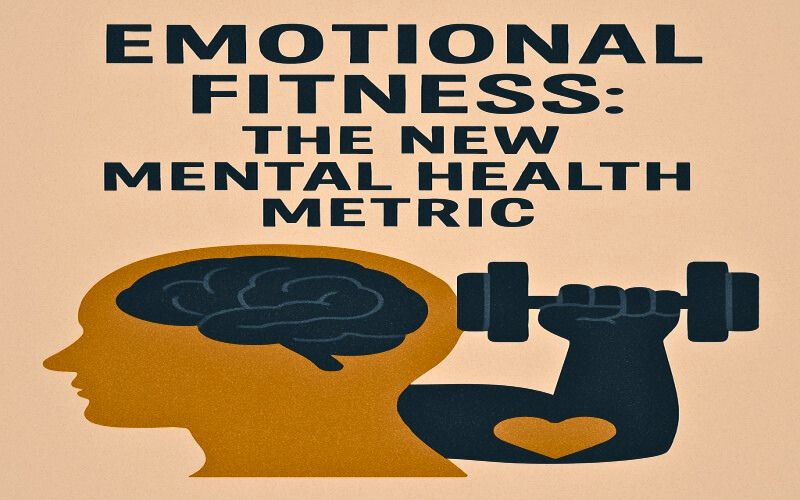
For decades, mental health has often been discussed in terms of disorders, therapy, and crisis intervention. While these conversations are crucial, there’s a growing movement that shifts the focus from reactive care to proactive well-being. The emerging concept of emotional fitness is at the heart of this change. Just as physical fitness measures the strength and endurance of our bodies, emotional fitness measures our ability to manage stress, regulate emotions, and maintain psychological resilience in daily life.
Emotional fitness isn’t about never feeling sad, anxious, or angry. It’s about building the skills and habits to navigate those emotions in healthy, constructive ways. In 2025 and beyond, it’s shaping up to be the new mental health metric—one that could redefine how we approach psychological wellness.
- What Is Emotional Fitness?
- Recognize and understand your emotions.
- Respond to challenges with adaptability.
- Maintain a balanced mental state even under stress.
- Recover quickly from setbacks.
- Build and sustain positive relationships.
- Why Emotional Fitness Matters Now
- Constant Connectivity: Social media and digital work blur boundaries between rest and responsibility.
- Global Uncertainty: Economic instability, climate concerns, and political unrest fuel chronic stress.
- Information Overload: Our brains process more data daily than ever before, often leading to decision fatigue.
- The Core Components of Emotional Fitness
a) Self-Awareness
Knowing what you feel and why you feel it. This is the foundation of all emotional skills. Without self-awareness, it’s hard to regulate your emotions effectively.b) Emotional Regulation
The ability to manage intense feelings without suppressing or being overwhelmed by them. This includes techniques like deep breathing, mindfulness, and reframing thoughts.c) Resilience
The capacity to bounce back after setbacks. Resilient individuals view challenges as temporary and solvable, not as personal failures.d) Empathy
Understanding and responding to the emotions of others, which strengthens relationships and reduces conflict.e) Purpose and Meaning
Having a sense of direction and values that guide your decisions can buffer against anxiety and uncertainty.- Emotional Fitness vs. Mental Health
- Mental Health: “I’m feeling anxious this week.”
- Emotional Fitness: “I’ve built tools to manage my anxiety and know how to get back on track.”
- Training Your Emotional Fitness
Daily Mindfulness Practice
Just 10 minutes of meditation a day can reduce stress, improve focus, and enhance emotional regulation.Gratitude Journaling
Writing down three things you’re grateful for daily can shift your brain’s bias from focusing on threats to recognizing positives.Cognitive Reframing
When faced with challenges, ask: What can I learn from this? How might this benefit me in the long run?Stress Inoculation
Expose yourself gradually to manageable challenges so you become more comfortable with discomfort.Social Connection
Prioritize relationships. Having a trusted support network is one of the strongest predictors of resilience.- Emotional Fitness in the Workplace
- Offering emotional intelligence workshops.
- Providing mental health days as preventive care.
- Creating psychologically safe environments where employees can share concerns without stigma.
- The Role of Technology
- Mood tracking apps that help you spot patterns in emotional highs and lows.
- Biofeedback devices that monitor stress markers like heart rate variability.
- Virtual therapy platforms that make emotional skill-building accessible anytime.
- Emotional Fitness Across Life Stages
- Teens: Learning self-awareness and social skills.
- Young Adults: Building resilience while navigating career and relationship challenges.
- Midlife: Maintaining purpose and managing complex responsibilities.
- Older Adults: Cultivating meaning, legacy, and emotional stability.
- Barriers to Emotional Fitness
- Time Pressure: People believe they’re too busy to focus on emotional well-being.
- Stigma: Some still view emotional work as a sign of weakness.
- Lack of Awareness: Many don’t realize emotional skills can be learned and improved like physical ones.
- The Future of Mental Health Metrics
Final Thoughts
Emotional fitness is more than a trend—it’s a necessary evolution in how we think about mental health. By adopting proactive habits, we can improve not only our emotional well-being but also our relationships, careers, and overall life satisfaction. Just as we wouldn’t expect physical strength without exercise, we shouldn’t expect emotional resilience without training. The good news is that, unlike physical fitness, emotional fitness doesn’t require a gym membership—just daily intention, self-awareness, and the willingness to practice.

Comments
Leave a comment Replying to
Comments are reviewed before they appear. Your email is never published.