


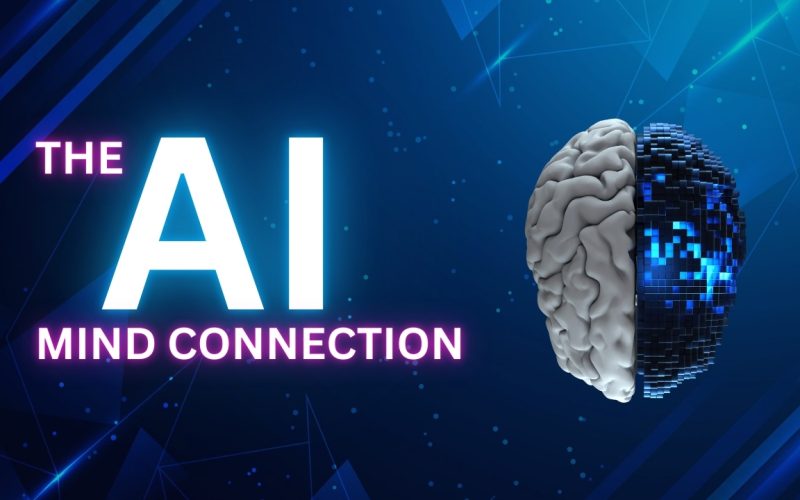
In a world where technology keeps pushing boundaries, one development sounds more like a scene from a sci-fi movie than reality: the ability to control machines using just your thoughts. No hands. No screens. Just your brain. This is not some distant dream. It’s happening now through a rapidly evolving field known as Brain-Computer Interfaces (BCIs). And while it may seem futuristic, it’s built on real science that’s easy to understand—and even more fascinating to explore.
So, what exactly is a BCI, how does it work, and what does it mean for your future? Let’s dive in.
What Is a Brain-Computer Interface?
A Brain-Computer Interface is a system that allows your brain to communicate directly with a computer. Instead of using a keyboard, mouse, or touchscreen, BCIs allow you to control devices simply by thinking.
Here’s how it works:
Your brain is constantly sending out electrical signals—every time you think, feel, or move. These signals can be picked up by sensors placed on your scalp or, in more advanced versions, implanted inside your skull. The BCI reads those signals, interprets what you’re trying to do, and converts them into commands that control a device.
It might sound complicated, but the core idea is simple: translate thoughts into action without physical movement.
Real-Life Examples You Should Know
This isn’t a theory—it’s already being tested and used.
Neuralink, the brainchild of Elon Musk, is one of the most talked-about BCI projects. In 2024, Neuralink successfully implanted its device in a human patient who could move a cursor on a screen with just their mind. That breakthrough isn’t just a tech stunt—it offers real hope for people who’ve lost movement due to injury or disease.
Another company, Synchron, has created a device that can be inserted via blood vessels, making it less invasive. It’s already helping patients with paralysis perform tasks like texting or browsing the internet just by thinking.
Even in India, research in BCI is gaining momentum. Institutes like IIT Madras and AIIMS are exploring how BCIs could assist in rehabilitation therapy, especially for stroke patients.
What Could This Mean for Everyday Life?
The initial applications are medical, but the future reaches much further.
Imagine:
- Sending a message just by thinking the words
- Controlling your home appliances with your brain
- Playing video games with your thoughts instead of a controller
- Learning new skills by “uploading” knowledge into your brain
Yes, some of that is still far away, but the foundation is being built today.
BCIs might also lead to new ways of treating mental health. By monitoring and adjusting brain activity, it could be possible to manage conditions like depression, anxiety, or PTSD in real-time.
What’s the Science Behind It?
At the heart of it all are neurons, the cells that make up your brain. Every time you think or move, neurons fire electrical signals. BCIs use special equipment—such as electroencephalography (EEG) headsets or implanted chips—to detect these signals.
Then, machine learning algorithms step in. They analyze the patterns in your brainwaves, decode what you’re thinking, and convert that into commands. Over time, the system can learn from you and become more accurate.
This is where Artificial Intelligence (AI) plays a big role. It helps improve the BCI’s ability to interpret your unique brain signals, making the experience smoother and more intuitive.
The Other Side of the Story: Risks and Concerns
As exciting as it sounds, BCI technology isn’t without concerns.
Privacy is a major issue. If machines can read your thoughts, where does the data go? Could your brain data be stored, sold, or even hacked?
Control is another challenge. Could devices one day influence how you think or feel?
And then there are health risks. Implanting chips in the brain is still a delicate, risky procedure. Even non-invasive BCIs can cause discomfort or fatigue.
This is why regulation and ethical guidelines are essential as the technology grows.
Why This Topic Matters in 2025
In today’s digital age, the line between humans and technology is getting thinner. Smartphones and smartwatches already feel like extensions of our bodies. Brain-computer interfaces take that one step further—making the mind itself the controller.
We are witnessing the early days of a revolution. Like the internet or smartphones before it, BCIs could completely change the way we live, work, and connect.
Staying informed about this technology isn’t just for tech geeks—it’s for everyone. Because when BCIs become mainstream, it will affect how we learn, communicate, and even think about human identity.
Final Thoughts
Brain-computer interfaces are not just an idea anymore—they’re a reality. From helping people regain lost movement to promising a future where we control devices with pure thought, BCIs are reshaping what we believed was possible.
The journey is still beginning, and the path ahead includes challenges. But one thing is clear: we’re entering a new era of human-technology connection—where the brain itself becomes the controller.
Understanding it now will help you be ready for what’s coming next. And who knows? One day, you might scroll this blog with just your thoughts.