
Zoom Fatigue to Digital Burnout: A New Health Crisis
The mental toll of constant digital demands from Zoom fatigue to burnout. Here’s why digital overload is emerging as a serious health crisis.
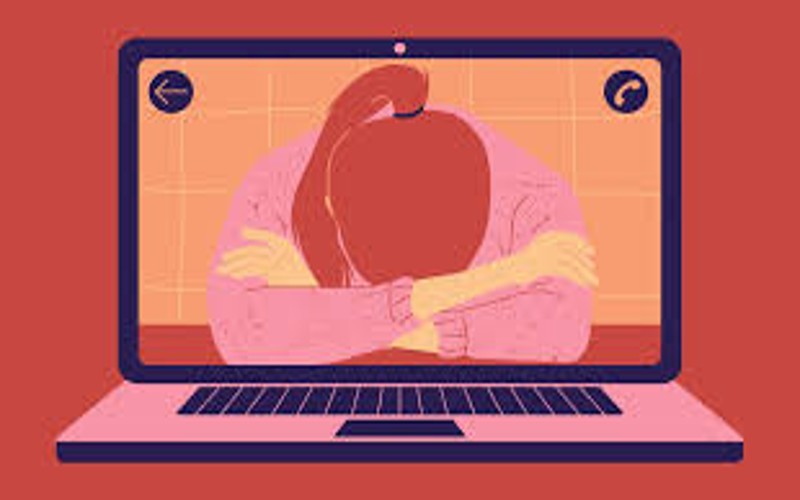
In today’s digital age, the phrase “Zoom fatigue” has become an all-too-familiar term, reflecting a widespread challenge many people face due to increased screen time and constant connectivity. While technology has undeniably enhanced how we work and socialize, it’s also introduced new stressors, impacting our well-being in unprecedented ways. This constant digital engagement is now linked to serious health implications—both mental and physical—and has quickly escalated from a minor inconvenience to a modern health crisis.
The Rising Tide of Digital Overload
As remote work became the norm, screen time skyrocketed. Virtual meetings, emails, and notifications began to fill every corner of the day, blurring the lines between work and personal life. What started as convenience quickly turned into a form of mental exhaustion, with many workers experiencing what’s now known as “Zoom fatigue.” Characterized by tiredness, irritability, and mental drain, Zoom fatigue affects millions, leaving people feeling disconnected and overwhelmed. Transitioning from the physical office to a digital workspace didn’t come without drawbacks. In the absence of face-to-face interactions, our brains are forced to work harder to decode non-verbal cues on-screen, which can lead to quicker exhaustion. As a result, the sheer volume of online interactions combined with a lack of in-person communication contributes to an overload that’s difficult to escape.Symptoms of Digital Burnout
While Zoom fatigue is typically tied to virtual meetings, digital burnout is a broader phenomenon that results from prolonged exposure to all forms of digital engagement. Symptoms range from cognitive decline and mood swings to physical issues like headaches, eye strain, and insomnia. The impact is especially severe among those who spend extended hours in front of screens without adequate breaks. Interestingly, digital burnout can also mimic the signs of clinical burnout seen in high-stress jobs. These signs include chronic stress, reduced energy, decreased productivity, and feelings of hopelessness. Left unmanaged, digital burnout could severely impair both mental and physical health.Why Digital Burnout is Different
One significant difference with digital burnout is its pervasive nature. Unlike traditional burnout, which typically occurs in high-stress environments like hospitals or corporate offices, digital burnout has the unique ability to invade our personal spaces. With smartphones, tablets, and laptops readily accessible, work—and stress—can follow us everywhere. Another unique challenge with digital burnout is its subtle onset. Unlike physical exhaustion that forces you to stop, digital fatigue accumulates quietly, often going unnoticed until it becomes a larger issue. By the time symptoms appear, they’ve often compounded, making it difficult to unwind or recover.The Impact on Mental Health
A key reason digital overload is particularly dangerous is its impact on mental health. Studies have shown that excessive screen time is linked to higher levels of anxiety, depression, and even cognitive decline. The more we rely on screens for both work and social interactions, the less we engage in activities that truly nurture mental well-being, like spending time outdoors, engaging in hobbies, or fostering personal relationships. Another concern is how screen time affects our sleep. Blue light from screens can interfere with melatonin production, the hormone that regulates sleep. Inadequate sleep, combined with constant digital engagement, can intensify feelings of fatigue and contribute to a cycle that’s difficult to break.Steps to Combat Digital Burnout
Recognizing the dangers of digital overload is the first step in combating it. However, addressing it requires intentional, consistent actions:- Set Boundaries: Establish strict working hours and resist the urge to check work emails or messages outside these times. Creating “tech-free zones” at home can also help draw clearer lines between work and personal life.
- Take Regular Breaks: The “20-20-20” rule is particularly useful—every 20 minutes, look away from your screen for 20 seconds at something 20 feet away. Regular breaks can alleviate eye strain and mental fatigue.
- Embrace Non-Screen Activities: Balance screen time by engaging in offline activities like reading, cooking, or exercise. These activities not only reduce screen exposure but also serve as a form of mental relaxation.
- Practice Mindfulness: Techniques like meditation or deep-breathing exercises can be effective in managing stress and improving overall mental health.
- Prioritize Sleep Hygiene: Avoid screens at least an hour before bedtime, and consider using apps that limit blue light on devices if screen time is unavoidable.


Comments
Leave a comment Replying to
Comments are reviewed before they appear. Your email is never published.