
Why Sports Matter More Than Ever
Explore why sports are more important than ever, fostering physical health, mental well-being, and community connections in today's world.

In a world increasingly driven by screens, algorithms, and stress, sports have emerged not just as entertainment or leisure—but as a crucial pillar of modern society. From promoting physical health to fostering unity, sports now play a more vital role than ever before. As we navigate the complexities of the digital age, climate anxiety, and social division, the power of sports to unite, inspire, and transform lives cannot be overstated.
Physical Health in a Sedentary Age
One of the most obvious reasons why sports are essential today is their positive impact on physical health. With global lifestyles becoming more sedentary due to technology and urban work environments, obesity and lifestyle-related diseases are on the rise. Engaging in sports offers a structured way to move the body, improve cardiovascular health, boost metabolism, and increase stamina. Whether it’s a quick football game after school or joining a weekend cycling club, sports help people of all ages incorporate activity into their routine. Especially for children and teens, regular participation in sports helps establish lifelong habits of fitness, improving posture, strength, and overall well-being.Mental Wellness and Emotional Resilience
Beyond the body, sports also play a crucial role in mental health. In an era where anxiety, depression, and burnout are increasingly common, It provides a natural outlet for stress relief. Physical activity releases endorphins—natural mood elevators—while team sports build a sense of belonging and shared purpose. Participation in sports teaches valuable life skills such as discipline, goal setting, time management, and perseverance. These skills directly contribute to emotional resilience, helping individuals handle both personal and professional setbacks more constructively. For many, sports act as therapy. Running through a park, swimming laps, or simply kicking a ball around can offer clarity, calm, and focus, especially during chaotic times.Unity in Diversity
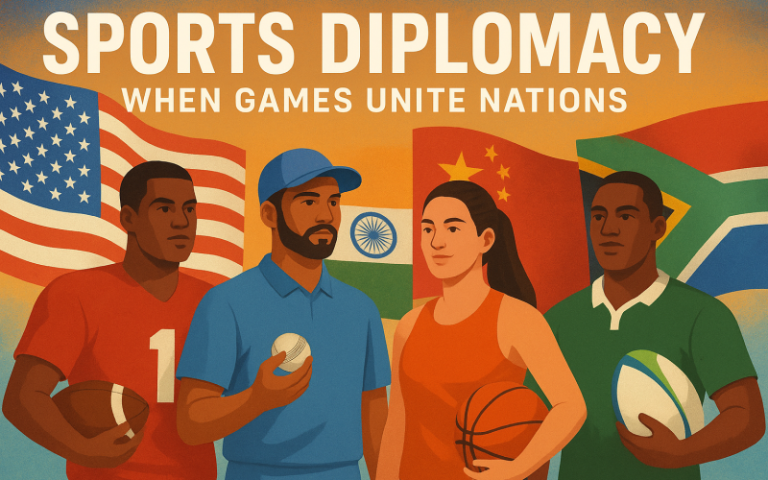
Sports possess a unique power to bring people together regardless of race, religion, or background. Think of the Olympics, the FIFA World Cup, or even local high school championships—these events foster a sense of community and national pride that few other platforms can match. In countries marked by political or social tensions, sports often act as a unifying force. During matches, people from all walks of life sit side by side, cheering for a common cause. Athletes themselves become symbols of national hope and unity, often transcending their roles as just sports figures to become cultural icons.Character Building and Leadership
One of the most understated yet vital contributions of sports is character development. From early childhood to adulthood, sports serve as a real-life classroom for values like integrity, cooperation, respect, and humility. Young athletes quickly learn that victories are earned, not given, and that losses are part of growth. These lessons are not confined to the field—they spill over into school, work, and relationships. Coaches often act as mentors, helping shape future leaders by emphasizing teamwork, discipline, and responsibility. In corporate environments, former athletes are often seen as assets due to their teamwork mindset, time management skills, and ability to perform under pressure.Technological Advancements and Career Opportunities
In today’s digital world, sports are no longer limited to the field or stadium. Technology has transformed how we watch, play, and engage with sports. From live streaming and fantasy leagues to wearable trackers and AI-assisted training, the sport industry has expanded into a multibillion-dollar global ecosystem. This opens up countless career opportunities—not just for athletes, but for professionals in sports science, analytics, event management, marketing, media, and technology. For young people passionate about sports, it’s more than a hobby—it’s a viable career path with many branches.Social Change and Role Models
Athletes often become powerful agents of change. From Muhammad Ali's stand against the Vietnam War to modern players advocating for mental health and equality, sports figures influence millions. In a time when young people are searching for role models, athletes who speak out on social issues, promote inclusivity, and challenge injustices are more impactful than ever. Leagues and organizations are also stepping up, using their platforms to raise awareness about climate change, racism, and gender inequality. It can no longer be seen as separate from society—they are at its heart.Post-Pandemic Recovery and Community Healing
The COVID-19 pandemic isolated people, disrupted routines, and created emotional turmoil across the globe. As the world emerges from the shadow of the pandemic, sports are playing a crucial role in recovery—both physically and emotionally. Local sports events have helped communities reconnect, while major tournaments have offered a much-needed sense of normalcy and excitement. For many, stepping back onto the field represented a return to hope, rhythm, and social interaction.Encouraging Lifelong Participation
Another modern shift is the growing awareness for all ages. It's no longer just about the young and the elite. From walking clubs for seniors to adaptive sports for people with disabilities, inclusive sporting opportunities are becoming more common. This shift promotes lifelong fitness and inclusion, enhancing the quality of life for people across the spectrum.Conclusion: More Than Just a Game
Sports matter more than ever because they meet us where we are and help elevate us to where we could be. In a world filled with distractions, polarization, and stress, It offers a rare blend of simplicity and depth. They challenge the body, sharpen the mind, and unite the spirit.

Comments
Leave a comment Replying to
Comments are reviewed before they appear. Your email is never published.