
Top 5 Environmental Threats in India: A Growing Concern
Explore the top 5 environmental threats in India: air pollution, water crisis, deforestation, climate change, and waste management issues.
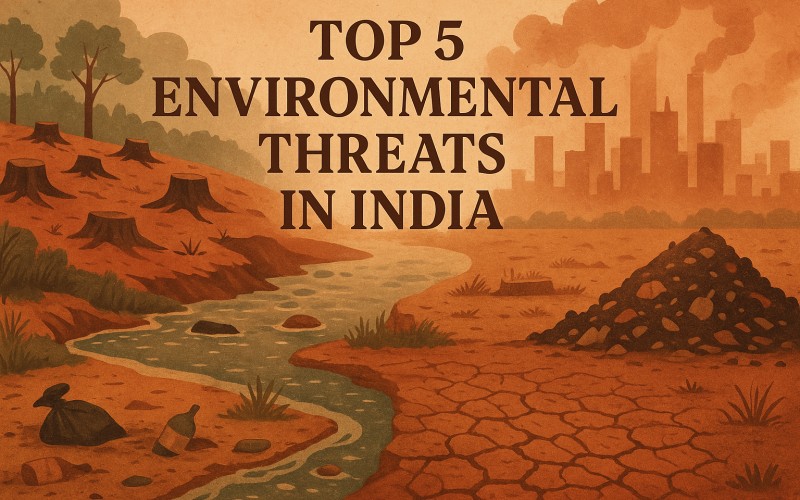
India, a nation known for its rich culture, diversity, and rapid economic growth, faces a series of environmental challenges that are becoming increasingly severe. While the country has made tremendous strides in development, its environmental issues threaten to undo much of the progress made. The rapid urbanization, industrialization, and population growth are placing immense pressure on natural resources and ecosystems, leading to environmental degradation on an alarming scale. India is home to some of the world’s most polluted cities, and its rivers, forests, and wildlife are also facing significant threats. In this blog, we will explore the top 5 environmental threats in India, shedding light on the seriousness of these issues, their impact on public health, and the urgent need for solutions.
1. Air Pollution: The Silent Killer
Air pollution remains the most pressing environmental issue in India. According to recent reports, India has 10 of the world’s 20 most polluted cities, with Delhi, Kanpur, and Ghaziabad frequently topping the list. The concentration of harmful particulate matter (PM2.5 and PM10) often exceeds safe limits, leading to severe health risks, especially for vulnerable populations such as children, the elderly, and people with pre-existing respiratory conditions.
Key Causes of Air Pollution:
-
Vehicular Emissions: A significant source of pollution, especially in urban areas where traffic congestion is high.
-
Industrial Emissions: Factories and power plants emit large amounts of harmful gases, including sulfur dioxide and nitrogen oxides.
-
Burning of Crop Residue: Particularly in northern India, farmers burn stubble, which contributes massively to air pollution.
-
Construction Dust: The ongoing urban expansion results in dust and particulate matter from construction sites.
The impacts of air pollution are far-reaching. It leads to respiratory diseases like asthma, bronchitis, and lung cancer, and is linked to cardiovascular issues, stroke, and premature deaths. According to the World Bank, the annual cost of air pollution in India is nearly $95 billion, affecting both public health and the economy.
2. Water Crisis: Drying Rivers and Contaminated Lakes
India is known for its numerous rivers, yet many of them are drying up or becoming heavily polluted. The Yamuna River in Delhi, for instance, is one of the most polluted rivers in the world, with high levels of toxic foam caused by untreated sewage and industrial waste. Nearly 70% of India’s surface water is contaminated, and the water crisis affects over 160 million people in the country.
Key Factors Contributing to the Water Crisis:
-
Pollution: Wastewater from households, industries, and agricultural runoff contaminates rivers and lakes.
-
Over-extraction: Excessive use of groundwater for agriculture and domestic purposes is depleting water sources.
-
Climate Change: Changing rainfall patterns and droughts are further exacerbating the water scarcity issue.
The consequences of the water crisis are severe, leading to the spread of waterborne diseases and increasing the risk of agricultural failure, which affects food security. In rural areas, communities are forced to depend on contaminated water sources, leading to millions of cases of waterborne diseases like cholera, dysentery, and typhoid every year.
3. Deforestation and Biodiversity Loss
India’s forests are rapidly disappearing, posing a serious threat to the country’s biodiversity. Between 2001 and 2023, India lost over 18% of its tree cover, primarily in regions like the Western Ghats, the Northeast, and central India. Deforestation not only disrupts ecosystems but also contributes to soil erosion, reduces carbon sequestration, and exacerbates climate change.
Consequences of Deforestation:
-
Loss of Wildlife: Deforestation leads to the extinction of numerous species, including iconic ones like the Great Indian Bustard and the Snow Leopard.
-
Climate Change: Forests act as carbon sinks, and their destruction leads to higher carbon dioxide levels in the atmosphere.
-
Soil Erosion: Without trees to stabilize the soil, erosion leads to the loss of fertile land and increases the risk of floods.
India’s forests are home to diverse ecosystems, and their destruction has serious long-term consequences for both the environment and the millions of people who rely on them for livelihood and sustenance.
4. Climate Change and Extreme Weather Events
India has been experiencing the devastating effects of climate change, with extreme weather events occurring more frequently and with greater intensity. The rising temperatures, unpredictable rainfall patterns, and shifting seasons are altering the country’s natural landscape and affecting millions of people’s lives.
Key Climate Change Impacts:
-
Melting Himalayan Glaciers: The Himalayan glaciers, which are crucial for drinking water and irrigation, are melting at an accelerated pace, threatening water supplies in many regions.
-
Rising Sea Levels: Coastal cities like Mumbai, Chennai, and Kolkata are at risk due to rising sea levels, leading to flooding, erosion, and displacement of populations.
-
Frequent Droughts: Regions like Maharashtra, Rajasthan, and Karnataka face frequent droughts, affecting agriculture and water availability.
-
Extreme Heatwaves: India is witnessing increasingly severe heatwaves, which lead to crop failure, water shortages, and severe health problems.
Climate change also impacts India’s agriculture, with unpredictable weather patterns affecting crop yields and food security. As the country faces the growing threat of natural disasters, urgent action is needed to mitigate the effects of climate change and transition towards sustainable practices.
5. Waste Management: The Growing Urban Nightmare
With rapid urbanization and industrialization, India is generating an alarming amount of waste. In 2023, the country produced more than 60 million tonnes of solid waste annually, with only about 30% of it being processed and disposed of properly. The rest ends up in landfills, clogging drains, polluting water bodies, and causing a major environmental crisis.
Key Waste Management Challenges:
-
Plastic Waste: Plastic waste is a major concern in India, with plastic bags, bottles, and packaging clogging streets, rivers, and oceans.
-
E-Waste: The rapid growth of electronics and mobile devices has led to a massive increase in e-waste, which often ends up in landfills and is not disposed of responsibly.
-
Lack of Infrastructure: Many cities lack proper waste segregation, recycling, and disposal systems, resulting in heaps of untreated waste accumulating in public spaces.
The environmental impact of poor waste management is severe, leading to pollution, health hazards, and the destruction of ecosystems. A more sustainable approach to waste management, including reducing, reusing, and recycling waste, is essential for protecting India’s environment.
Conclusion: Urgent Action Needed for a Sustainable Future
India is facing a growing environmental crisis, with air pollution, water scarcity, deforestation, climate change, and waste management issues all posing serious threats to the country’s future. The urgency to address these issues is paramount, as they have far-reaching impacts on public health, the economy, and the country’s overall well-being.
To combat these challenges, India needs stronger regulations, improved waste management systems, and a collective commitment to sustainability. The government, businesses, and citizens must all play their part in reducing pollution, conserving natural resources, and protecting the environment for future generations.
While the challenges are significant, there is hope. With innovation, better practices, and public awareness, India can still take meaningful steps toward building a cleaner, healthier, and more sustainable future for all.

Comments
Leave a comment Replying to
Comments are reviewed before they appear. Your email is never published.