
How Broadcasting Changed Sports Forever
Discover how broadcasting changed sports, transforming how fans watch, engage with, and experience games around the world.
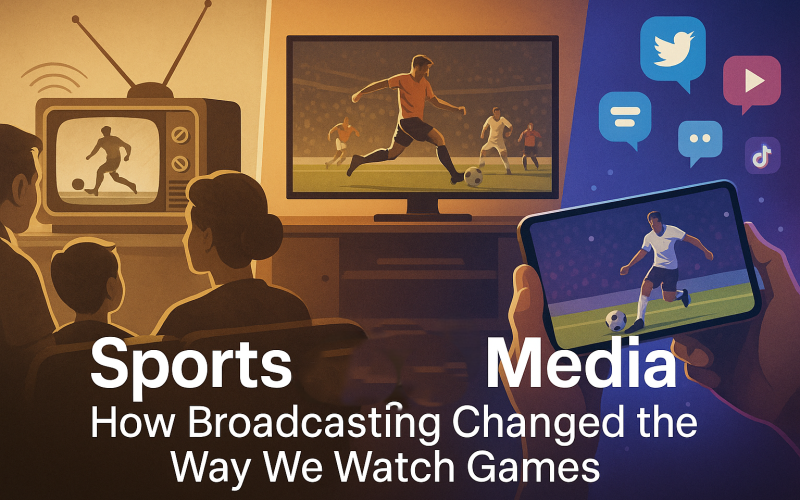
From neighborhood radios to global live streams, the way we consume sports has undergone a seismic shift. Sports broadcasting has not only transformed how we watch games—it’s also changed how we connect with athletes, how we understand sports strategy, and how the industry generates revenue. Whether you're cheering from your couch or live-tweeting a cricket match from your phone, media has made the sporting world more accessible, immersive, and interactive than ever before.
In this blog, we’ll explore how broadcasting has revolutionized sports, examine its historical journey, and understand its impact on fans, athletes, and the business of sports.
A Brief History of Sports Broadcasting
The first real taste of sports broadcasting came in the 1920s, when radio stations began covering major events like baseball in the U.S. and cricket in the UK. Listening to matches became a communal activity. People would gather around the radio, picturing the action in their minds, hanging on the commentator's every word. Then came television, and with it, a new era. The 1936 Berlin Olympics was one of the first sporting events ever televised. By the 1950s and 60s, TV ownership grew rapidly, and sports took over living rooms around the world. What was once an auditory experience became a visual spectacle—fans could now see the sweat, the speed, and the celebration.How Television Changed the Game
Television transformed sports into a global entertainment industry.- Massive Audience Reach
- Suddenly, millions could watch live games from the comfort of home. This accessibility helped popularize sports far beyond their countries of origin. Think of how NBA basketball became popular in Asia or how European football gained fans across Africa and the Americas.
- New Sports Stars
- Event Scheduling and Prime Time
- Multiple Camera Angles & Replays
The Digital Age: Streaming, Social Media, and More
The last two decades have brought another major shift: digital broadcasting and online streaming.Live Streaming Platforms
Today, platforms like YouTube, Hotstar, Amazon Prime, and ESPN+ offer live sports coverage. Viewers can watch matches on their phones, laptops, or smart TVs—anytime, anywhere. Internet-based broadcasting has especially benefited fans who live in regions where traditional TV coverage is limited.Social Media's Role
Social media platforms like Twitter, Instagram, and TikTok have become vital parts of the sports viewing experience:- Fans can follow live updates, behind-the-scenes footage, and player reactions.
- Memes, clips, and highlights go viral within minutes.
- Athletes communicate directly with fans, building personal brands and loyal communities.
Esports and New-Age Sports Media
The rise of esports and platforms like Twitch have redefined what "sports broadcasting" even means. Millions tune in to watch people play video games competitively—a reminder that the concept of sports media continues to evolve.Economic Impact of Sports Broadcasting
Broadcasting rights are now one of the biggest revenue sources for sports organizations.- The NFL earns over $10 billion annually from broadcasting deals.
- The Indian Premier League (IPL) sold media rights for over $6 billion in 2022.
- The Olympics and FIFA World Cup generate most of their revenue from television rights and sponsorships tied to viewership numbers.
Impact on Fans and Viewership Culture
Sports broadcasting has shaped the fan experience in deep ways:- Global Fanbases: A person in Nigeria can be a die-hard Manchester United fan, while someone in Japan might stay up late to watch an NBA game live.
- Fantasy Leagues & Second-Screen Watching: Fans today track stats, compete in fantasy sports, and analyze match data in real-time while watching the game.
- Instant Access to Highlights: Missed a match? Just search for a 5-minute highlight video online.
The Future of Sports Broadcasting
As technology advances, so does the viewing experience:- Virtual Reality (VR): Watch a game from the front row while sitting in your bedroom.
- Augmented Reality (AR): Live stats and graphics projected onto the screen as you watch.
- AI-Powered Commentary: Real-time insights and predictions based on data.
Conclusion
Broadcasting has done more than just televise sports—it has transformed them. From the radio days to immersive live streaming, media has connected fans to their favorite teams in powerful, meaningful ways. It has turned sports into a global phenomenon, created stars, built billion-dollar empires, and made games part of our daily lives. As we move forward, the relationship between sports and media will only deepen. Whether you're watching from the stadium or your smartphone, the thrill of the game will continue to pulse through the screen—louder, clearer, and closer than ever before.


Comments
Leave a comment Replying to
Comments are reviewed before they appear. Your email is never published.