
How Local Clubs Shape Future Champions
"Discover how local clubs nurture talent, build character, and shape future champions in sports and beyond.
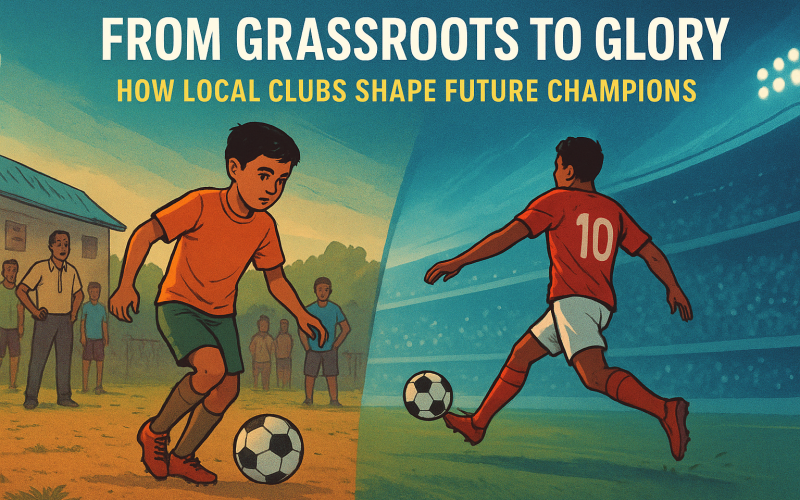
When we watch global sports icons perform at the highest stage—whether it’s Lionel Messi weaving past defenders, Virat Kohli leading his cricket team, or Serena Williams dominating the tennis court—it’s easy to forget where their journeys began. Behind the glitz of stadium lights and roaring crowds lies a less glamorous, but equally powerful foundation: the grassroots clubs where dreams take shape.
Local sports clubs are more than just training grounds; they are incubators of talent, character, and community spirit. They are the places where future champions take their first steps, face their first defeats, and learn the values that will define their careers. This blog explores how grassroots clubs play a vital role in shaping future champions and why investing in them matters for the sporting world.
Grassroots Sports: The First Step Towards Greatness
Every athlete, no matter how successful, starts small. For most, this means joining a local sports club or academy where passion is nurtured. Grassroots sports offer accessibility—giving children and young athletes a platform to try, fail, learn, and grow without the high-pressure environment of professional leagues. Unlike elite academies that filter players based on ability, grassroots clubs are inclusive. They give everyone a chance to play, regardless of background or financial status. This inclusivity means that hidden gems—who might never have been spotted in a formal system—get their chance to shine. Take, for instance, many African footballers who rose from dusty community fields to dominate Europe’s top leagues, or Indian cricketers who came from small-town academies to international glory. Their stories prove that champions are not born in luxury—they are built in humble beginnings.Skills, Discipline, and Work Ethic
Local clubs are often the first place where young athletes learn structured training. Coaches, often volunteers or semi-professionals, teach not only sport-specific skills but also the discipline required to succeed.- Technical Development: A young footballer learns dribbling, passing, and positioning long before tactics are drilled in at higher levels. A budding cricketer learns how to hold the bat or bowl with the right action in these environments.
- Work Ethic: Early morning practices, commitment to training schedules, and teamwork build habits that stay for life.
- Resilience: Grassroots sports are filled with failures—missed goals, dropped catches, or defeats. Learning to recover from setbacks at this stage is crucial for mental toughness later on.
Building Community and Belonging
Grassroots clubs do more than produce athletes—they build communities. They are often run by parents, local leaders, and passionate volunteers who believe in the power of sport to unite people. Young players find friendship, mentorship, and belonging in these clubs. For many, they are safe spaces away from social issues like crime, poverty, or peer pressure. This sense of community plays an unspoken but vital role in keeping young talent motivated and grounded. Moreover, the support system around these clubs—local fans cheering, families contributing, and sponsors investing—creates a culture of encouragement. Athletes who grow up in such environments not only excel in sports but also learn responsibility and humility.From Local Heroes to Global Icons
The transition from grassroots to professional sports isn’t easy. Only a small fraction of players make it to elite levels. However, for those who do, the lessons learned at local clubs become their competitive edge.- Lionel Messi began his journey at Grandoli, a small local club in Rosario, Argentina, where his grandmother convinced coaches to let him play. Today, he is considered one of the greatest footballers of all time.
- MS Dhoni, one of India’s most iconic cricketers, started playing for local clubs and school teams in Ranchi before becoming the captain who led India to multiple World Cup victories.
- Serena and Venus Williams honed their skills in community courts under the guidance of their father before ruling the world of tennis.
The Role of Investment and Support
While grassroots clubs are crucial, many of them struggle due to lack of funding, infrastructure, and recognition. Poor facilities, limited equipment, and underpaid coaches often hinder their potential to nurture talent. Governments, sports federations, and even private organizations have a responsibility to invest in grassroots development. Programs that provide better infrastructure, scholarships, and coaching education can transform local clubs into talent powerhouses. Countries that consistently produce top athletes—like Germany in football or Australia in swimming—owe their success to strong grassroots systems supported by national sports policies. By contrast, nations that neglect grassroots development often struggle to sustain long-term sporting success.Beyond Champions: Life Lessons That Last Forever
Not every child who joins a grassroots club will become a global superstar, and that’s perfectly fine. The true power of grassroots sports lies in the life lessons they impart:- Teamwork: Learning to cooperate with others towards a common goal.
- Leadership: Taking responsibility on and off the field.
- Resilience: Bouncing back from failures.
- Health & Fitness: Developing lifelong habits for a healthy lifestyle.
Conclusion: Nurturing Dreams from the Ground Up
From grassroots to glory, the journey of every athlete is a testament to the power of beginnings. Local clubs may not have the glamour of professional stadiums, but they are the true heart of sports. They create opportunities, shape character, and foster dreams that sometimes turn into global success stories. For every Messi, Dhoni, or Serena, there are millions of unsung athletes whose lives were transformed by grassroots sports. By strengthening these local foundations, we not only nurture future champions but also build healthier, stronger, and more connected communities. In the end, the path to glory begins not with trophies and medals, but with the dusty fields, small courts, and passionate coaches of grassroots clubs.


Comments
Leave a comment Replying to
Comments are reviewed before they appear. Your email is never published.