
The Micro-Workout Revolution: Can 5 Minutes Make a Difference?
Discover the micro-workout trend! Learn how just 5 minutes a day can boost fitness, energy, and overall health.
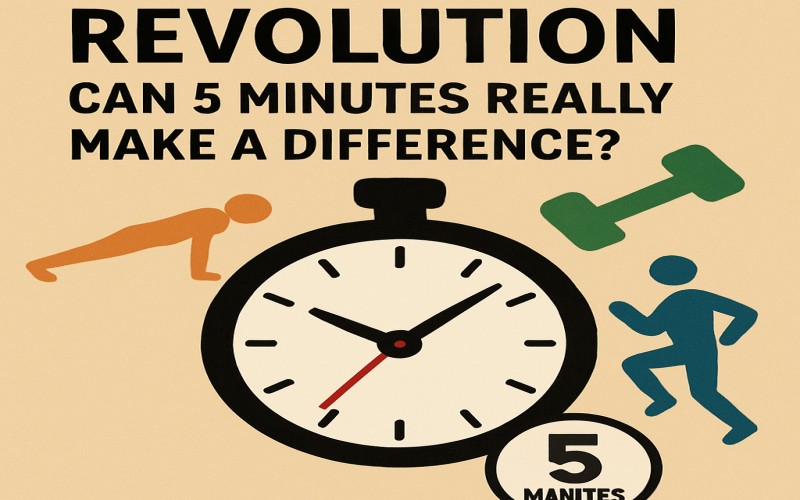
In a world where busyness is worn like a badge of honor and time feels increasingly scarce, fitness routines are being reimagined. Long gone are the days when health was synonymous with hour-long gym sessions or marathon weekend runs. Today, a quiet revolution is taking place in bedrooms, living rooms, and office breakrooms across the globe: micro-workout—short bursts of physical activity that often last no longer than five to ten minutes.
The appeal is obvious: minimal time commitment, no fancy equipment, and flexible enough to fit into anyone’s lifestyle. But the real question is—do these bite-sized workouts actually work? Can just five minutes of movement a day make a meaningful impact on your health, fitness, or weight?
Let’s explore the science, psychology, and practicality of the micro-workout trend to find out whether it’s a fleeting fad or a true fitness game-changer.
What Are Micro-Workouts?
Micro-workouts, also called “exercise snacks,” are ultra-short sessions of high-effort physical activity performed throughout the day. These may include:- 2–5 minute bodyweight workouts (squats, pushups, burpees)
- Short, intense cardio sessions (jump rope, running stairs)
- Mobility and stretching routines
- Resistance band exercises
- Desk-based stretches or isometric holds
The Science Behind Micro-Workouts
Despite their short duration, micro-workouts are backed by a growing body of research—particularly in the realm of high-intensity interval training (HIIT) and activity "snacking."- High-Intensity, High Impact
- Interrupting Sedentary Time
- Cumulative Effect of Exercise
Benefits of Micro-Workouts
So what are the actual benefits of integrating micro-workouts into your daily life?- Time-Efficient
- Increased Adherence
- Improved Cardiovascular Health
- Muscle Maintenance and Strength
- Mental and Cognitive Boosts
- Accessibility
Sample Micro-Workouts to Try Today
Here are a few examples of quick, effective micro-workouts you can sprinkle throughout your day:5-Minute Full-Body Blast
- 1 minute: Jumping jacks
- 1 minute: Bodyweight squats
- 1 minute: Pushups (or wall pushups)
- 1 minute: Plank hold
- 1 minute: High knees or jog in place
5-Minute Strength Stack (No Equipment)
- 30 sec: Lunges (right leg)
- 30 sec: Lunges (left leg)
- 30 sec: Pushups
- 30 sec: Glute bridges
- 30 sec: Superman hold
- 30 sec: Wall sit
- 30 sec: Tricep dips (on chair)
- 30 sec: Bicycle crunches
- 30 sec: Mountain climbers
- 30 sec: Burpees (optional finisher)
5-Minute Mobility & Stretch Routine
- 1 min: Forward fold + ragdoll stretch
- 1 min: Cat-cow stretch
- 1 min: Downward dog + pedal feet
- 1 min: Seated spinal twist (30 sec each side)
- 1 min: Child’s pose + deep breathing
Myths and Misunderstandings About Micro-Workouts
"You need at least 30 minutes for it to count."
Not true. Research confirms that physical activity accumulated in small bouts still improves fitness and health markers. Quality over quantity."Five minutes can’t help you lose weight."
It depends on intensity and frequency. While five minutes won’t burn hundreds of calories in one go, done consistently and paired with good nutrition, it contributes to a calorie deficit and metabolic improvements."Micro-workouts are only for beginners."
Not at all. Even elite athletes use short sessions for mobility, recovery, or supplemental training. The key is progression—adding reps, intensity, or difficulty over time.Who Should Consider Micro-Workouts?
Micro-workouts may be ideal for:- Busy professionals with packed schedules
- Parents juggling home, kids, and work
- Remote workers seeking midday movement
- Fitness beginners intimidated by the gym
- Older adults looking for low-impact, time-efficient movement
- Anyone seeking more energy, flexibility, or consistency
How to Make Micro-Workouts Work for You
Here’s how to start integrating them seamlessly into your life:- Stack with Habits
- 5 squats every time you brush your teeth
- Plank during your coffee brew
- Desk pushups before logging into a Zoom call
- Schedule Your Minis
- Use a Timer
- Track Your Progress
- Mix It Up
Limitations to Keep in Mind
While micro-workouts offer tons of benefits, they’re not a complete substitute for all types of training.- Progressive overload (building strength or muscle over time) is harder to achieve in 5-minute bursts unless you use resistance or increase difficulty.
- Endurance goals like marathon training still require longer sessions.
- Sport-specific training may need more structure and time commitment.
Final Verdict: Do 5-Minute Workouts Really Work?
Yes—when done consistently, intentionally, and with intensity, five-minute workouts can absolutely make a difference. They may not turn you into a bodybuilder or an ultramarathoner overnight, but they’re a fantastic entry point into regular movement and a stepping stone to broader fitness goals. In a culture that often idolizes the all-or-nothing approach—“Go hard or go home”—micro-workouts offer a more sustainable, inclusive, and achievable path to health. Whether you’re climbing stairs instead of taking the elevator, doing pushups between tasks, or stretching before bed, every moment of movement counts. The future of fitness isn’t necessarily longer. It’s smarter, shorter, and more accessible than ever before.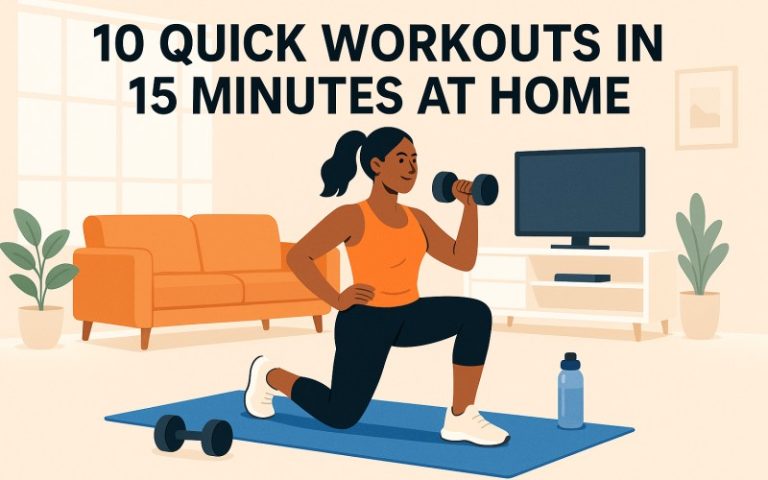
Comments
Leave a comment Replying to
Comments are reviewed before they appear. Your email is never published.