
Mobile Health 2.0: The New Wave of Diagnostic Apps in India
Explore how Mobile Health 2.0 is transforming diagnostics in India, with innovative apps offering personalized health insights and solutions.
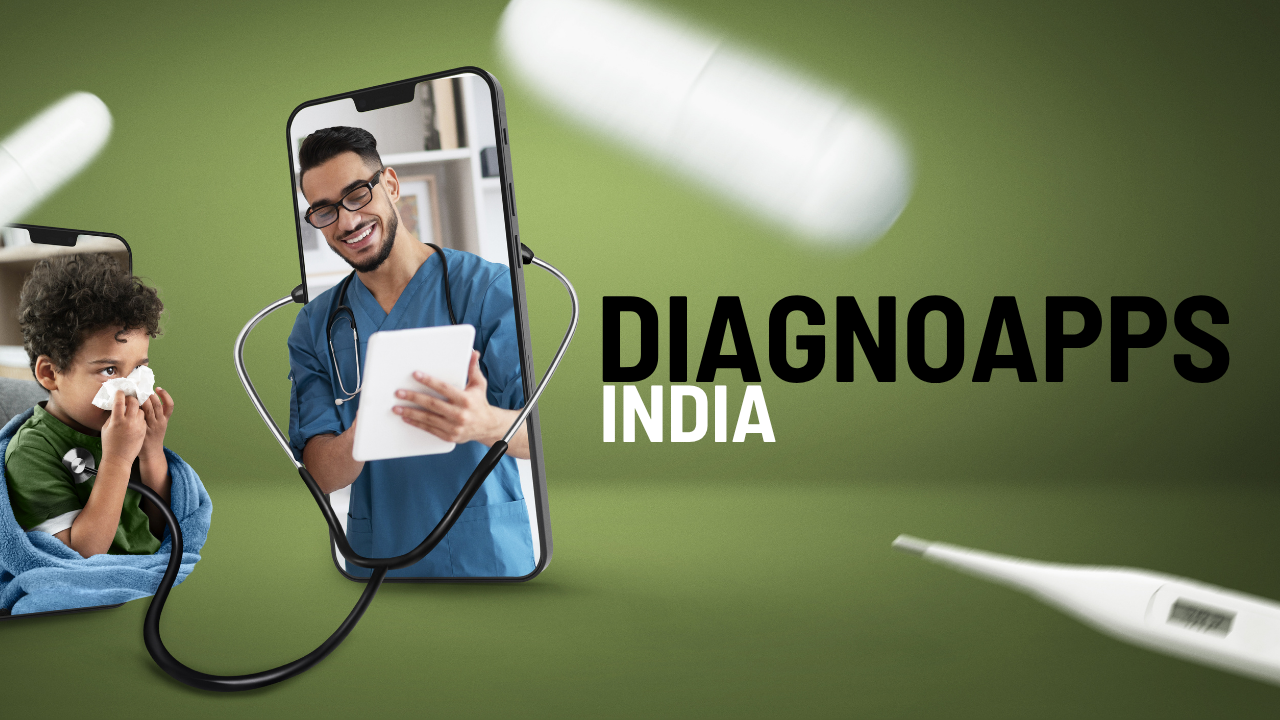
Until recently, visiting a doctor for every minor symptom was the only option for most Indians. Whether it was a persistent cough, a mild fever, or even general fatigue, diagnosis usually involved long wait times, crowded clinics, and hefty consultation bills. But things are changing—fast. A silent revolution is underway. With smartphones becoming smarter and digital literacy increasing across age groups, India is entering the era of Mobile Health 2.0. This next phase of healthcare is not just about booking appointments or ordering medicines online—it's about turning your phone into a powerful diagnostic tool that can detect, track, and even prevent illness.
The Shift: From Teleconsultation to Real Diagnostics
During the COVID-19 pandemic, telemedicine boomed. People got used to consulting doctors online via video calls and receiving prescriptions through apps. But today, health-tech startups are going several steps further. Now, your phone camera can read your heart rate. Your microphone can monitor breathing. Your selfie can detect signs of stress or skin conditions. These aren’t futuristic fantasies—they’re current realities. Apps like Phable, MFine, and HealthifyMe are already integrating AI-powered diagnostic tools that provide insights beyond just calories and steps. For example, MFine’s vitals monitoring uses your phone camera to measure heart rate, blood oxygen, and respiration in under a minute—without touching a single external device.How It Works
Most mobile diagnostic apps use a combination of:- Camera-based photoplethysmography (PPG): to detect pulse and oxygen levels
- Microphone-based lung sound analysis: to catch wheezing, crackles, or irregular breathing
- AI-powered symptom checkers: to offer preliminary assessments based on what users report
- Face-scanning for mental health cues: analyzing microexpressions for stress or depression indicators
Why It’s Growing in India
India’s healthcare system is overburdened, especially in rural and semi-urban areas. A doctor-patient ratio of 1:1500 means most patients don’t get timely care. Mobile diagnostics are closing that gap. Here’s why these apps are catching on:- Affordability: Most apps charge minimal fees or offer freemium models.
- Access in regional languages: More apps now support Hindi, Tamil, Bengali, and other Indian languages.
- Instant results: Instead of waiting hours for basic tests, users get feedback within seconds or minutes.
- Rural potential: These apps help Accredited Social Health Activists (ASHAs) and local health workers do remote checkups.
Popular Use Cases
- Heart Health Monitoring Startups like Dozee and Wellthy Therapeutics let users track ECG, blood pressure, and arrhythmias through their mobile-linked devices or app-integrated sensors.
- Lung Function Checkups Apps can now pick up early signs of asthma, COPD, or post-COVID complications by analyzing breathing sounds using the phone mic.
- Diabetes and Metabolic Screening AI-driven food logs, glucose level estimators, and fitness trackers now work together to give users an overview of their metabolic health—without needles or labs.
- Skin and Eye Analysis Snap a picture of your rash or eye, and apps like SkinVision and Eyeque can alert you to potential concerns. Though final diagnosis still rests with doctors, early detection is a game changer.
Not Without Challenges
Despite the promise, this space isn't without its hurdles.- Accuracy concerns: Not every phone has the required hardware to ensure reliable readings.
- Privacy issues: Health data is sensitive, and not all apps are transparent about how they store or share information.
- Regulatory gaps: The Indian government is still working on clear regulations for AI-based diagnostics and mHealth devices.
The Government’s Role
India’s National Digital Health Mission (NDHM) is setting the stage for wider adoption of mobile diagnostics. The ABHA (Ayushman Bharat Health Account) system is aimed at integrating health records digitally, and diagnostic apps are expected to plug right into this ecosystem. Additionally, initiatives like Tele MANAS (for mental health support) and partnerships between public hospitals and startups signal that mobile diagnostics are being taken seriously at the policy level.The Road Ahead
India’s healthcare future may very well rest in the palm of your hand. As smartphones become more capable and diagnostics become more software-driven, we’ll likely see:- Integration with wearable devices for continuous monitoring
- Predictive health alerts based on real-time data
- Personalized wellness plans tailored by AI based on diagnostic history


Comments
Leave a comment Replying to
Comments are reviewed before they appear. Your email is never published.