
Monsoon Wellness: Immunity-Boosting Foods & Habits
Discover immunity-boosting foods and habits for monsoon wellness, keeping you healthy and energized during the rainy season.
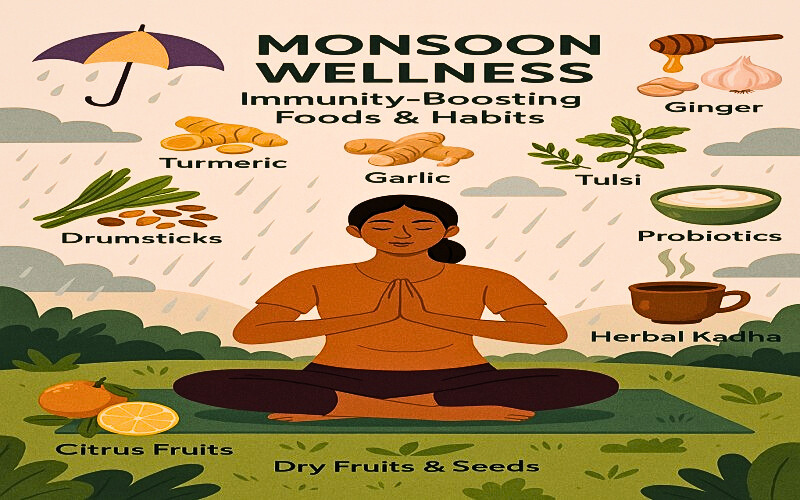
The monsoon season brings with it a welcome relief from the scorching heat, filling the air with earthy aromas and vibrant greens. But while it soothes the soul, it can also challenge the body. Rising humidity, dampness, and sudden temperature fluctuations make our immune system vulnerable to infections, especially colds, flu, indigestion, and skin problems. This 1550-word guide dives into holistic monsoon wellness, focusing on immunity-boosting foods, mindful habits, and seasonal tips to help you stay energetic, nourished, and disease-free all season long.
Why Is Immunity Vital During Monsoon?
The monsoon disrupts our natural balance in more ways than one. High humidity creates a breeding ground for viruses, bacteria, and fungi. Waterborne illnesses, mosquito-borne diseases like dengue and malaria, and respiratory infections become rampant. Moreover, our digestive fire—or ‘agni’, as Ayurveda calls it—weakens, making it harder to metabolize food. Hence, strengthening immunity is not just a health trend—it’s a seasonal necessity.Top 12 Immunity-Boosting Foods for the Monsoon
Let’s explore foods that not only nourish but also fight seasonal invaders.- Turmeric (Haldi)
- Add a pinch to warm milk at night.
- Mix with honey and black pepper for an immunity shot.
- Use generously in cooking.
- Ginger (Adrak)
- Drink ginger tea with tulsi and honey.
- Add crushed ginger to soups, dals, or kadhis.
- Mix ginger juice with lemon juice for a detox shot.
- Garlic (Lehsun)
- Add to stir-fries, dals, or sautéed vegetables.
- Consume raw cloves in the morning with warm water for better absorption.
- Citrus Fruits
- Start your day with lemon water.
- Snack on oranges or kiwi.
- Use amla powder in smoothies or juices.
- Honey
- Add to herbal teas instead of sugar.
- Mix with cinnamon for a natural cough suppressant.
- Avoid heating honey directly (as per Ayurveda).
- Tulsi (Holy Basil)
- Chew 4–5 fresh tulsi leaves daily.
- Brew tulsi tea with ginger and black pepper.
- Add tulsi to herbal decoctions (kadha).
- Probiotics
- Have a small bowl of plain curd with lunch.
- Avoid cold curd—keep it at room temperature.
- Include traditional fermented recipes like idli or dosa.
- Drumsticks (Moringa)
- Add moringa leaves to soups or dals.
- Make moringa powder tea or mix it into smoothies.
- Dry Fruits & Seeds
- Soak almonds overnight for better digestion.
- Mix seeds into porridge or yogurt.
- Avoid excess intake during humid days—balance is key.
- Green Leafy Vegetables (Cooked)
- Sauté with garlic or ginger.
- Add to soups, lentils, or rice.
- Seasonal Fruits (In Moderation)
- Wash thoroughly before eating.
- Avoid street-cut fruit—opt for homemade options.
- Don’t overeat watery fruits (like watermelon) during high humidity.
- Herbal Kadha (Immunity Decoction)
- Boil all ingredients in water, reduce to half, and sip warm.
- Add jaggery or honey for taste (optional).
- Drink 3–4 times a week.
10 Daily Habits to Support Monsoon Wellness
Eating right is essential, but pairing it with mindful habits completes your monsoon health toolkit.- Stay Hydrated (but Wisely)
- Sip warm or boiled water throughout the day.
- Avoid cold water—it dampens digestion.
- Herbal infusions (cumin, fennel, mint) are great alternatives.
- Keep Your Gut Happy
- Avoid overeating, fried foods, or heavy dairy.
- Add ginger, black pepper, and cumin to aid digestion.
- Practice mindful eating—chew slowly and eat in peace.
- Practice Oil Pulling
- Do it first thing in the morning for 5–10 minutes.
- Follow with tongue scraping and brushing.
- Maintain Hygiene & Handwashing
- Wash hands thoroughly before eating or cooking.
- Keep nails short and clean.
- Avoid touching your face frequently.
- Sleep Regularly and Deeply
- Aim for 7–8 hours of sleep.
- Avoid screens and heavy meals before bed.
- Use calming teas like chamomile or ashwagandha if sleep is disturbed.
- Exercise Indoors or Practice Yoga
- Try online classes, bodyweight workouts, or pranayama.
- Yoga poses like Bhujangasana, Vajrasana, and Anulom Vilom help digestion and immunity.
- Manage Humidity at Home
- Use a dehumidifier if needed.
- Keep bathrooms and kitchens dry.
- Burn camphor or neem leaves to purify indoor air naturally.
- Use Natural Insect Repellents
- Use citronella oil, neem oil, or eucalyptus sprays.
- Light lemon grass incense or apply neem paste on windowsills.
- Avoid stagnant water around your home.
- Keep Feet Clean & Dry
- Wash feet with antibacterial soap after exposure.
- Pat dry and apply talcum powder or antifungal powder.
- Rotate footwear—don’t reuse wet ones.
- Use Spices for Seasonal Shielding
- Add to tea, curries, or warm milk.
- Use in moderation to avoid heat imbalance.
Foods & Habits to Avoid During Monsoon
It’s equally important to know what to avoid to stay healthy:Avoid:
- Raw leafy vegetables (hard to clean thoroughly)
- Street food (exposed to humidity and contaminants)
- Cold dairy items (ice creams, cold curd)
- Overconsumption of seafood (fish breeding season)
- Heavy, oily, or creamy foods (slow digestion)
- Carbonated or sugary drinks (weaken immune response)
Ayurveda & Monsoon: The Dosha Perspective
According to Ayurveda, the monsoon season aggravates the Vata and Pitta doshas, disturbing digestion and immunity. The body is more susceptible to imbalances during this time, which is why rituals like Panchakarma, herbal teas, and warm, cooked meals are highly recommended. Simple Ayurvedic Rituals:- Abhyanga (oil massage) with sesame or mustard oil
- Nasya (nose oiling) with Anu tailam
- Triphala powder at night for gut cleansing
- Drinking hot water infused with dry ginger
Children & Monsoon Immunity
Kids are especially prone to infections during this season due to developing immune systems.Tips for Children:
- Offer lukewarm soups, dal-rice, khichdi, or porridge.
- Avoid cold juices or ice creams.
- Give chyawanprash (a herbal jam) daily if age-appropriate.
- Encourage physical activity indoors to keep them active.
- Make hygiene a habit—hand washing, dry feet, and trimmed nails.
Grandmother’s Wisdom for Monsoon Health
Our elders often followed simple seasonal rituals that aligned perfectly with modern wellness science:- Starting the day with turmeric water or jeera water
- Drinking herbal kadha every alternate day
- Eating light, seasonal meals at fixed times
- Lighting a diya with camphor for air purification
- Applying castor oil to the soles for detox and sleep
Final Thoughts: Balance, Not Overload
Monsoon wellness is not about obsessing over diets or rituals—it’s about balance. Eating fresh, local, and warm meals, moving your body, managing moisture, and nurturing your immunity with love and consistency can make a world of difference. Remember, immunity is not a product you buy—it’s a lifestyle you cultivate. So this monsoon, sip your kadha, do your yoga, and embrace the rain—not with worry, but with wisdom. Let health flow through your season like the rivers through the mountains: natural, strong, and unstoppable.


Comments
Leave a comment Replying to
Comments are reviewed before they appear. Your email is never published.